Your coding agent can now reverse-engineer anything. We used it to rebuild Postman without the cloud.
This was the week AI learned to look inside things. REA lets a coding agent take apart any app, Anthropic's agents now report every step to your monitoring tools, and Anthropic's own researchers looked inside cheap smart-TV boxes and found room for a self-copying AI. We also tried a chatbot that answers in a tenth of a second and a model that answers in types instead of text, and we built something real with both.
Irv CassioCoverage window October 9 to October 16About 40 min read
Cover illustration: generated with AI for The AI Enthusiast
TL;DR · 90 seconds
Issue 28 in one paragraph
REA (rea.tools), an MIT-licensed toolkit that lets coding agents reverse-engineer apps, went from about 15 npm downloads a day to 103,109 on October 12 and shipped 6.5.0 on October 14. Our feature explains it, then shows it working: REA read Postman's open-source code (never its proprietary app) and Claude Code subagents built Postman Local, a cloud-free Postman workalike. Anthropic put OpenTelemetry traces for its agents into public beta (October 14). We timed ChatJimmy, the demo of Taalas's chip with Llama 3.1 8B etched into it, at ~0.1 s per answer; AMD agreed to buy Taalas in August. Jev 1.14 (October 14) answers in types and probabilities in 70–500 ms at $0.042 per million tokens, and we used it to triage failed API tests. Anthropic warned small models may soon self-replicate on IoT devices and said it cut model distillation by 90–99%. Gemini 4 Argon went GA at $2/$10; Meta shipped Muse Wonder and the 816B open-weight Muse Spark Open; Claude Code Review went GA. OpenAI fired three safety researchers and an employee was arrested over a hidden microphone; Anthropic gave METR inside access; Washington's AI review rules are due October 30. Plus midterm safeguards, Grok Voice 3.0, Ramp at $60B, Shopify opening 1B+ listings to any agent, Kroger cutting 3,000 corporate jobs, an explainer on small language models vs state space models, a free Claude Code Workshop in Cincinnati on October 28, and twelve new tips.
103,109REA npm downloads on Oct 12
~0.1 sChatJimmy, keypress to full answer (our test)
$0.042Jev, per million input tokens · output free
90–99%less reasoning harvested by distillers
8of 9 device types ran a 9B model (self-replication study)
$2 / $10Gemini 4 Argon, per M tokens
816BMuse Spark Open parameters
3,000Kroger corporate jobs to go over 3 years
01
01 · Feature · Developer toolsDevelopers · IT and security teams · Power users
Your coding agent can now reverse-engineer anything. We used it to rebuild Postman without the cloud.#
REA 6.1.0–6.5.0 shipped – · our build
REA ("Reverse Engineer Anything," rea.tools) is a free, MIT-licensed set of tools that lets a coding agent such as Claude Code, Codex or Cursor look inside software: native binaries, JavaScript and Electron apps, Android APKs and what a web page does while it runs. One command, npx rea-agents@latest setup, connects it. In two weeks it went from about 15 npm downloads a day to 103,109 (October 12), and GitHub showed 273,428 stars on October 15. To see what it's actually good for, we pointed it at Postman's open-source parts and had Claude Code subagents build Postman Local: a Postman workalike that opens a real collection package with no login and no cloud.
Illustration: generated with AI for The AI Enthusiast.
Why it mattersReverse engineering used to take a specialist days per question. With REA, an agent runs the inspect-guess-verify loop itself, in minutes. That changes the math on software moats, on rescuing data from abandoned apps, and on security, and it makes the legal fine print (licenses, terms of service, EU vs US law) something every team now has to know.
25 clients, incl. Claude Code, Codex, Cursor, Gemini CLI
Needs
Node 22.19+; Ghidra (free), Hopper or IDA for native code
What REA is, and what it isn't
REA isn't a new decompiler. It's a packaging layer: one MCP server and an investigation skill wrapped around tools reverse engineers already use, including Ghidra (NSA, free), Hopper or IDA for native code, JADX for Android, Chrome's DevTools protocol for live pages, and parsers for Electron ASAR archives, .NET, WASM, firmware and network captures. The agent asks a question about one feature; REA "returns code, references and runtime observations"; the agent explains it or rebuilds it.
REA is the plumbing; the agent does the reasoning. Diagram: The AI Enthusiast.
# Paste into Claude Code, Codex or Cursor (from rea.tools):
Install REA and connect it to this coding agent using `npx rea-agents@latest setup`.
Show me the setup plan for approval, then verify the installation.

# Or from a terminal, then check health:
npx rea-agents@latest setup
npx -y rea-agents@latest doctor --client claude_code --json   # expect "healthy": true
What it found in its own showcases
REA's published case studies
Target
Question
What REA recovered
Windows Calculator (x64)
Why does 200 + 10% give 220?
The DLL's branch on × or ÷; rule: after × or ÷, percent = current/100, otherwise current × previous/100. Cross-checked against Microsoft's open-source code
Chrome dino game
How fast does it get?
SPEED: 6, ACCELERATION: 0.001, MAX_SPEED: 13, read from the running script
Aegis Authenticator (APK)
How is a login code made?
Standard RFC 6238 TOTP: 30 s, SHA1, 6 digits, from 3,077 decompiled classes
Notion Desktop 7.6.1 (Electron)
What does Copy actually do?
The IPC path from preload to main process, and a hidden HTML marker that maps to locally saved block data
DX-Ball 1.07 (1996)
How is brick-hit sound panned?
Reconstructed C that matches all 63 compiled bytes of the original function
DownUnderCTF 2023 binary
What's the flag?
The masks and sums, then a solver that makes the original print "Correct!"
rea.tools. The header counter is the live GitHub star count. Screenshot: The AI Enthusiast, Oct 15.The Aegis showcase walks from APK to RFC 6238. Screenshot: The AI Enthusiast, Oct 15.
From a trickle to 100,000+ a day in nine days. Chart: The AI Enthusiast, from npm.
Treat the popularity numbers with care: 273,000 stars and 68,000 forks in six months, most of it in two weeks, is extraordinary, and the 25% fork ratio is unusually high. GitHub's counts measure attention, not quality. The project's blog, by contributor N0zoM1z0, posted "The industrial revolution in reverse engineering" on and "Does reverse engineering need a bigger model?" on .
Our case study: Postman, minus the login and the cloud
Postman is the most popular tool for testing APIs, and many teams keep their requests in exported "packages": a collection file, environment files with variables such as a base URL or token, and often SOAP WSDL files describing older XML web services. Postman now expects you to sign in and syncs workspaces to its cloud, which some companies don't allow. Our test: could an agent with REA learn exactly how Postman interprets those files, and could Claude Code subagents build a local app that opens the same package the way Postman would?
The legal line we drew. We did not point REA at Postman's desktop app. Postman's Acceptable Use Policy prohibits attempts to "disassemble, decompile, unlock, reverse engineer, or decode the Postman Services (or Software)." Instead we used Postman's own open-source components, whose licenses grant the right to study them: postman-collection, postman-runtime and newman (Apache-2.0), and wsdl-to-postman (MIT per its LICENSE file; its package.json says Apache-2.0). Same tool, very different legal position. More on that in the impact section below.
Diagram: The AI Enthusiast, from the Postman Local build log and architecture notes.
What REA recovered
REA's analyze-javascript-application tool (6.5.0) read the shipped npm packages, the agent cross-checked the cloned source, and then confirmed the WSDL rules by running the real @postman/wsdl-to-postman 2.2.2 on synthetic WSDLs. A sample of the 33 rules it wrote down, each with a file and line reference:
Selected Postman behaviors recovered with REA from Postman's open-source code
Rule
What Postman actually does
Why a workalike must copy it
Variable precedence
First hit wins: local › data row › environment › collection › globals. The source says "don't change it"
The same {{baseUrl}} must resolve to the same host
Nested variables
Re-resolves up to 19 passes, then stops; a self-referencing variable ends in 19 extra characters
Prevents infinite loops exactly the way Postman does
Unresolved {{x}}
Left in place literally; a null value becomes the text null
Silent differences here break requests in confusing ways
Auth inheritance
Missing auth inherits from folder, then collection; noauth stops the chain
Requests must sign with the right credentials
Script order
Collection › outer folder › inner folder › request, pre-request then test
Test scripts that set tokens must run in the same order
WSDL import
One flat folder per port (none if only one); {{<Port>BaseUrl}} per port; every operation is a POST with SOAPAction
"Work like Postman" means the same tree a user expects
A Postman quirk
Sends text/xml even for SOAP 1.2 ports, where the spec says application/soap+xml
We match Postman by default and offer the spec-correct header as a setting
Watch: the story in under two minutes
Hosted by an AI version of Irv Cassio (a HeyGen digital twin), scripted from this issue. The demo inside it is the real recording below, and the Jev results are the live calls in story 04. Open the MP4.
Watch: Postman Local in 79 seconds
Recorded by a scripted browser against the fictional Acme Retail package and a local mock server; re-recorded October 16 with live Jev calls. No real company data. Open the MP4.What the video shows, step by step
Postman Local starts on 127.0.0.1. No login, no sync, no telemetry.
Open a Postman package (.zip). The collection, environments and WSDLs are unzipped in memory; macOS __MACOSX junk is skipped.
WSDL → requests, laid out like Postman's importer. One request per operation, a {{<Port>BaseUrl}} variable from soap:address, text/xml plus SOAPAction: the rules REA recovered.
Postman parity by default. A setting keeps the spec-correct strict SOAP 1.2 variant as an opt-in.
Environments with Postman's scope precedence (local › data › environment › collection › global), with secrets masked.
Send Login through the local proxy. Its test script parses the SOAP reply with xml2Json and stores the token with pm.environment.set.
Get Order inherits bearer auth from the collection and shows pretty, foldable XML with status, time and size.
Run the whole collection with triage on. The flaky 503 is retried and passes, the SOAP Fault is flagged as a server bug, and the expired token stops the run, each only because the decision cleared 0.80.
The triage card and the exact Jev request. Each decision is a live call to Jev (jev-1.13.0), and the request Jev received is shown with the key redacted.
Switch to the Staging-Fake environment and the light theme. Everything is stored as plain JSON in ~/.postman-local, and collections export back to Postman v2.1.
A request generated from the WSDL, with Postman's per-port {{…BaseUrl}} variable. Screenshot: Postman Local, Acme demo data.
Send, then read the reply as foldable XML. Screenshot: Postman Local, Acme demo data.Login's test script stores the token for the next request, as in Postman. Screenshot: Postman Local.
The runner branches on each live Jev decision: retried, flagged, stopped. The whole run took 1.2 seconds. Screenshot: Postman Local, October 16.
A SOAP 1.2 Receiver fault: Jev answers server_bug at p = 1.00, so the runner flags it. Live call, October 16.The exact request Jev received, key redacted. Screenshot: Postman Local.
A wrong password: Jev leans auth_expired at p = 0.79, with 21% on bad_input. That misses the 0.80 bar, so Postman Local routes it to a human instead of acting. Screenshot: Irv Cassio, October 16.
How the agents built it
The orchestrator launches the build agent. It checks the toolchain and inspects the real package's shape locally.
Scaffold plus a written contract for every module, so subagents can work in parallel without colliding.
Six Claude Code subagents start at once: REA investigator, core, WSDL engine and mock, runner and sandbox, Jev layer, UI.
Core finishes the importer, sender, SOAP-fault detection and export (44 tests); the Jev layer finishes against TypeSafe's documented API (15 tests); the private real-package test passes.
The REA investigator files 33 rules with file and line references. Variable resolution and runner semantics are aligned to them; 111 tests pass.
Our QA agent flags that demo fault names still echoed the private WSDLs. Everything is renamed to Acme, and the old recordings are deleted.
Found by REA → fixed: WSDL import now matches Postman by default: flat per-port folders, per-port BaseUrl variables, Postman's headers and envelope prefix. 114 of 114 tests pass.
The demo is re-recorded: a 79-second video and 12 screenshots, all on fictional data.
Fifty minutes from first file to a recorded demo, with a separate QA agent reviewing the work. The parts that took judgment were the ones people would expect: choosing what to copy exactly (Postman's quirks) and what to keep private (the real package).
Postman Local vs Postman
Postman Local features compared with Postman
Area
Postman
Postman Local
Open .zip export, folder, collection, environment, globals
Yes
Yes, zip unpacked in memory
Collection formats
v1, v2.0, v2.1
v2.0 and v2.1; v1 detected with a re-export message
WSDL 1.1 → requests
Yes
Yes, Postman's layout by default; strict SOAP 1.2 opt-in
Variables and scopes
Yes
Same precedence, masking, hover values
Auth: none, basic, bearer, API key, inherit
Yes
Yes
Pre-request and test scripts
Yes
Common pm.* API, chai, xml2Json; no pm.sendRequest or require()
Collection runner and history
Yes (history synced)
Yes, stored locally
Failure triage
No
Typed decision layer (Jev, or a labelled stand-in)
OAuth 2.0 flows, cookies UI, file uploads, gRPC, GraphQL, WebSocket
Yes
Not built
Honest gaps. REA's command-line tool did the analysis; its MCP tools were registered for the project but weren't callable inside the build agent's session, so the agent ran REA directly and cross-checked by reading the cloned source. Jev wasn't called live when this issue first went out; we added a key on October 16, and the live results are in story 04. And Postman Local is a one-evening build for a demo, not a product: it isn't published, and we'd want a security review before anyone points it at real credentials.
Did it open the real package?
Yes, privately. The operator's real package is an employer's work (SOAP services with internal environments), so it never left the machine and none of it appears here. A local test loaded it through the same importer the app uses, checked that every {{variable}} resolved in every environment (zero unresolved), built a SOAP envelope for every WSDL operation and dry-ran every request without sending anything: pass, with zero import warnings and zero dry-run errors. Everything you see in the screenshots and video uses a fictional Acme Retail package (Login and Orders SOAP services) served by a local mock server.
The impact: five things REA changes
Diagram: The AI Enthusiast, from REA's documentation, Hacker News, Decrypt, Startup Fortune, daily.dev and the statutes cited below.
1. Software moats
REA's own README pitches it this way: "See a feature in an app that you want in your own product? Ask your agent to investigate it with REA… and build a version for your project." The counter-argument came fast on Hacker News: "Software has rarely been the moat… The problem, always, has been network effects." The Low Level YouTube channel (October 14) predicts a defensive response: vendors may stop shipping programs "to you" at all and stream them from the cloud instead. daily.dev's caution applies to every rebuild: "A single wrong constant or miscalculation can produce a convincing but incompatible copy." That's why REA's showcases check results against the original.
2. Interoperability
The strongest legitimate use is making your software work with someone else's: file formats, clipboard formats, IPC messages, network APIs. The Notion showcase recovered exactly that kind of detail (a hidden HTML marker that points to locally saved block data). Our Postman case is the same idea: reading a format faithfully, not copying the product.
3. Legacy migration and data rescue
Most of REA's showcases are preservation work on 1990s games, each verified against the original compiler output. The same tools read SQLite databases, .NET assemblies and firmware, the places where business data gets stranded when a vendor disappears. The open question, as Low Level asks of AI rewrites: "who is going to maintain this software?"
4. Security research and malware
Defenders can audit closed-source apps (does this Electron app check who's calling its IPC handlers?) and see what a vendor's app really sends. Startup Fortune argues it also "compresses attackers' timelines for reconnaissance" and hurts "vendors relying on obscurity as security." REA's own warning matters for anyone analyzing malware: its runtime tools "execute or observe programs," and its bridge "is not a sandbox." Use an isolated VM, never a workstation with your agent's credentials. Two more cautions: install only from morluto/rea, rea.tools or npm rea-agents (popular tools attract look-alikes), and remember that decompiled code goes to your agent's model provider.
5. The legal side (not legal advice)
Reverse-engineering law in brief
Where
What the law says
What it means for you
US · fair use
Sega v. Accolade (1992) and Sony v. Connectix (2000): disassembling to learn functional requirements for compatibility can be fair use
Studying to interoperate has precedent
US · DMCA §1201(f)
A lawful user may circumvent a technical protection "for the sole purpose" of interoperability with an independently created program. Security-testing exemptions are renewed every three years; the 2027 cycle is under way
Only matters if you break an access control; plain decompiling is a copyright and contract question
US · contracts
Bowers v. Baystate (2003) and Davidson v. Jung (Blizzard v. bnetd, 2005) enforced license clauses banning reverse engineering
A "no reverse engineering" EULA or ToS clause is generally enforceable
EU · Software Directive
Art. 5(3): a licensee may observe, study and test a program. Art. 6: decompile when "indispensable" for interoperability. Art. 8: contract terms contrary to these "shall be null and void." SAS v. World Programming (2012): functionality and file formats aren't protected
Interop work survives a contrary EULA; cloning a competing product does not
Terms of service
Postman's Acceptable Use Policy bans reverse engineering its software
Which is why we used only its open-source code
REA draws its own lines too: its disclaimer refuses help with DRM, license-check or anti-cheat circumvention, auth bypass, and "copying proprietary software or reproducing its protected code and assets."
Context: the "AI rebuilt Adobe" week
The same week, ArtCraft's Brandon Thomas released seven free, open-source Rust apps modeled on Photoshop, Illustrator, Premiere Pro, Lightroom, After Effects, InDesign and Acrobat, which he describes as a clean-room reimplementation written with Claude Opus 5.5 and no Adobe code. There's no evidence ArtCraft used REA; the link is thematic. Decrypt quotes a pixel artist calling the early Photoshop clone "completely unusable," and Low Level's take is the skeptical one worth watching.
Check the target's license and terms first. Prefer open-source components, your own software, or software you're licensed to examine for interop.
Running untrusted code
Runtime tools execute targets. Use a disposable VM with no credentials or network access to production.
Confidential code leaving the building
Decompiled output goes to your model provider. Don't analyze a client's or employer's proprietary binaries with a cloud model without approval.
Fake packages
Install only rea-agents from npm or morluto/rea; keep setup's pinned version and update deliberately.
Confident but wrong rebuilds
Require a check against the original: tests, recorded outputs, or byte comparisons, as REA's showcases do.
What to do with this
Try it on something you're allowed to open.
1. Install REA in a scratch project and run the six-file Electron "Notes" exercise from rea.tools/get-started: ask "what happens when I click Export notes?" 2. Point it at an open-source dependency your team relies on and ask it to explain one confusing behavior, with file and line references. 3. Before using it on anything else, write down the license, who approved it, and whether a cloud model may see the output. Security teams: add "agent-assisted reverse engineering" to your threat model for any app you ship to customers' machines.
Try this: "Use REA to explain how this package resolves {{variables}}. Quote file and line for every rule, then write tests that prove each one."
02 · Claude Platform · ObservabilityDevelopers · IT and security teams
See what your agents did. Claude's agents now report every step to the monitoring tools your ops team already runs.#
OpenTelemetry public beta · Uber CISO essay · Nadella interview
On October 14, Anthropic put OpenTelemetry (OTel) traces from Claude Managed Agents, the Messages API and the Claude SDKs into public beta. Every agent turn, model call, tool use and MCP call can now arrive in any tool that accepts the OTLP standard, with latency, token counts and IDs, laid out with the OpenTelemetry GenAI semantic conventions, so Claude spans line up with spans from other providers.
OpenTelemetry traces from Managed Agents, the Messages API and the SDKs, public beta October 14. Image: Anthropic.
Trusting an agent with more access starts with tracing its model calls, tool use, and MCP server calls. Review its traces, then widen its access as it proves reliable.Anthropic, October 14, 2026
Why it mattersAgents are getting real permissions in stores, finance systems and codebases. Tracing turns "what did the agent do?" from an incident-response guess into a query, and gives security teams the lever they already use for people: widen access as the record earns it.
Why this week
Three things landed within 72 hours. On October 13, Uber's CISO Philip Martin argued that AI agents need "the equivalent" of the insider-threat program every company already runs for employees. On October 15, NBC published an interview in which Satya Nadella called all AI agents an "insider risk". And Anthropic shipped the plumbing that makes watching agents routine.
What a trace looks like
One tool-using request, as a trace. Group spans by gen_ai.conversation.id to read a thread as a transcript, or by anthropic.session.id for a whole Managed Agents session. Diagram: The AI Enthusiast, from the Claude Platform docs.
SDK tracing vs API tracing, from the Claude Platform docs
SDK tracing
API tracing
Setup
Code (register a tracer provider)
A destination added in the Claude Console
Permission
None
Admin
Covers
Clients using the Claude SDK
Any client
Clouds
Claude API, Claude Platform on AWS, Bedrock, Google Cloud, Microsoft Foundry (all beta)
Claude Platform and Claude Platform on AWS
Best for
Claude calls nested inside your app's own traces
Managed Agents turns, server tools, org-wide coverage
Your first trace in about 15 lines
From the docs. Install with pip install --upgrade anthropic opentelemetry-sdk; the console prints one anthropic.messages.create span. Then swap the console exporter for an OTLP exporter pointed at your platform.
from anthropic import Anthropic
from opentelemetry import trace
from opentelemetry.sdk.trace import TracerProvider
from opentelemetry.sdk.trace.export import ConsoleSpanExporter, SimpleSpanProcessor

# Register a tracer provider that prints each span to the console.
provider = TracerProvider()
provider.add_span_processor(SimpleSpanProcessor(ConsoleSpanExporter()))
trace.set_tracer_provider(provider)

client = Anthropic()
message = client.messages.create(
    model="claude-opus-5-5",
    max_tokens=1024,
    messages=[{"role": "user", "content": "Hello, Claude"}],
)
print(message.content)
Set ANTHROPIC_OPEN_TELEMETRY_TRACES_CONTENT_MODE=content only if you want prompts and responses in your spans. Pin the SDK version: the docs warn that span names and options can change during the beta. Each span holds up to 0.75 MB of content by default (about a 200k-token context); a full 1M-token context needs about 4 MB.
Where traces can go
Launch partners: Grafana Cloud, Honeycomb, Sentry, Splunk (traces beside logs and metrics); Arize AI, Braintrust, Datadog, Langfuse, LangSmith, New Relic, PostHog (turn traces into evals); and Databricks Unity Gateway (token usage by team). Ramp says its "Reflect" system scores Langfuse traces and has cut token usage 10–20% and made some agent sessions 30% faster (customer figures from Anthropic's post, self-reported).
Claude Code joins in. This week's releases added GenAI semantic-convention attributes to its spans (gen_ai.conversation.id, gen_ai.tool.name, error.type; 2.1.300) and classifier_verdict, permission_mode and classifier_category on tool_decision events, so you can tell an auto-mode classifier block from a permission rule (2.1.301).
The insider-threat model, from Uber
Uber's Philip Martin: agents need an insider-threat program. Image: Anthropic.
Martin's architecture has three layers: an LLM gateway that sets a perimeter on AI use; Uber's newly open-sourced AI Detection and Response (ADR), which gathers real-time telemetry and can act inside agent harnesses; and Anthropic's Enterprise Frontier Safeguards classifier output as one more signal. "Every company already runs an insider threat program for its people. Nobody argues about that."
The catches. Delivery is best effort: spans can be lost or duplicated, so use the Usage API, not traces, to catch a leaked key. SDK and API spans both carry usage, so count tokens from one source. Full content moves sensitive data into a second system. Orgs with a HIPAA, FERPA or K-12 restriction get metadata only from API destinations, and Managed Agents isn't eligible for zero data retention.
What to do with this
Three steps, one week.
1. Turn on SDK tracing in one non-production agent, metadata only, and look at a week of spans. 2. Decide with security and legal whether any workload justifies Full content. 3. Send Claude Code's OTel export to the same backend, so coding agents and production agents show up in one place. No code? The docs page has a ready prompt for Claude Code: "Set up OpenTelemetry tracing with the Claude API and Claude SDK."
We tried the chatbot that answers in a tenth of a second. ChatJimmy runs on a chip with the model etched into it, and AMD is buying the company that made it.#
Our hands-on test · AMD agreement announced (before this window) · Taalas launch post
ChatJimmy (chatjimmy.ai) is the public demo of Taalas's HC1, a chip with Llama 3.1 8B hard-wired into the silicon. Taalas claims 17,000 tokens per second per user, "nearly 10X faster than the current state of the art," at 20x lower build cost and 10x less power (all self-reported). We tested it on Thursday night: every answer, including a full email, was on screen about 0.1 seconds after we pressed Enter. In August, AMD agreed to acquire Taalas; the price wasn't disclosed and, as of October 15, we found no report that the deal has closed.
Illustration: generated with AI for The AI Enthusiast.
How it works: the model is the computer
A normal AI server keeps the model's weights in memory (HBM) next to a GPU and streams them through the chip for every token. That trip, not the math, is the bottleneck, and it's why AI servers need HBM stacks, advanced packaging and liquid cooling. Taalas's answer is to build one chip per model, merging storage and compute "on a single chip, at DRAM-level density," with "no HBM, advanced packaging, 3D stacking, liquid cooling, high speed IO." The cost: you can't load a different model. Taalas says it can turn "a previously unseen model" into hardware "in only two months," and supports LoRA adapters and configurable context on top.
Diagram: The AI Enthusiast, from "The path to ubiquitous AI," Taalas, February 19, 2026.Chart: The AI Enthusiast, from Taalas's Figure 2 and our own test.
Hands-on: three questions, timed
We used ChatJimmy from a US home connection on October 15, around 11 PM ET, with headless Chrome, no login and no personal data. The deployment has a 6,144-token context. Answers appeared in one piece rather than streaming.
ChatJimmy response times measured by The AI Enthusiast, October 15, 2026
Prompt
Shown by ChatJimmy
Keypress → full answer
Quality
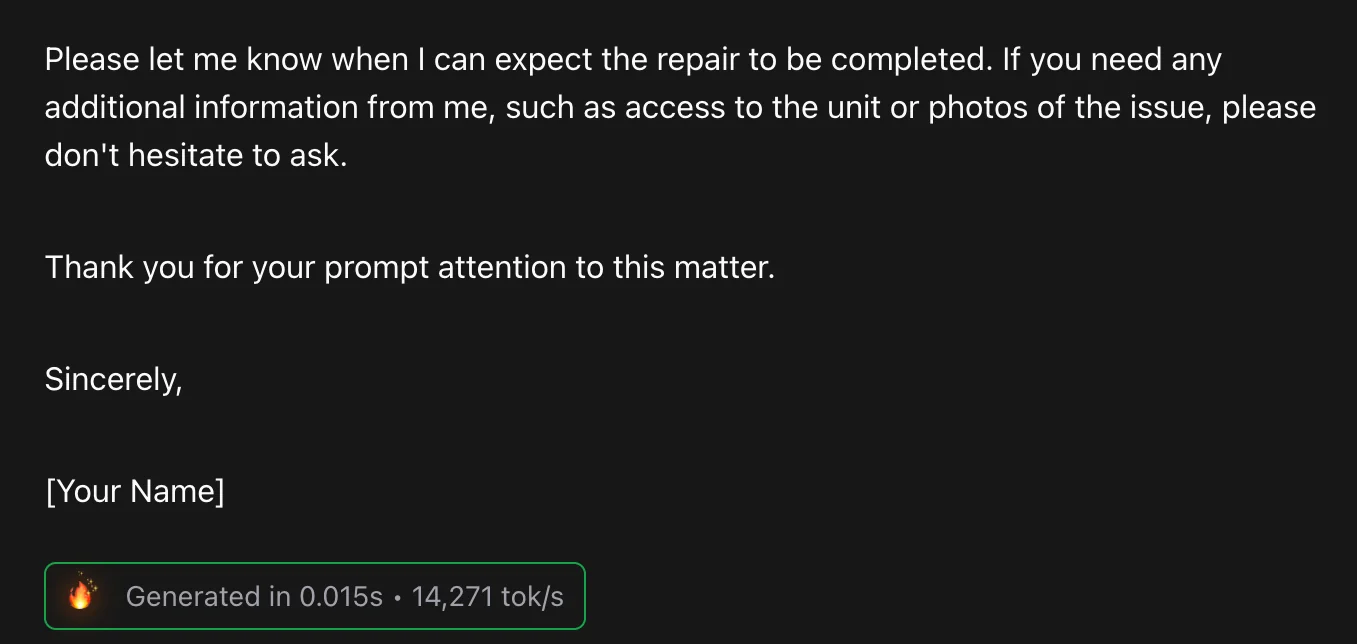
"Write a polite email asking my landlord to fix a leaking faucet."
0.015 s · 14,271 tok/s
~0.10 s
Good template, one odd line
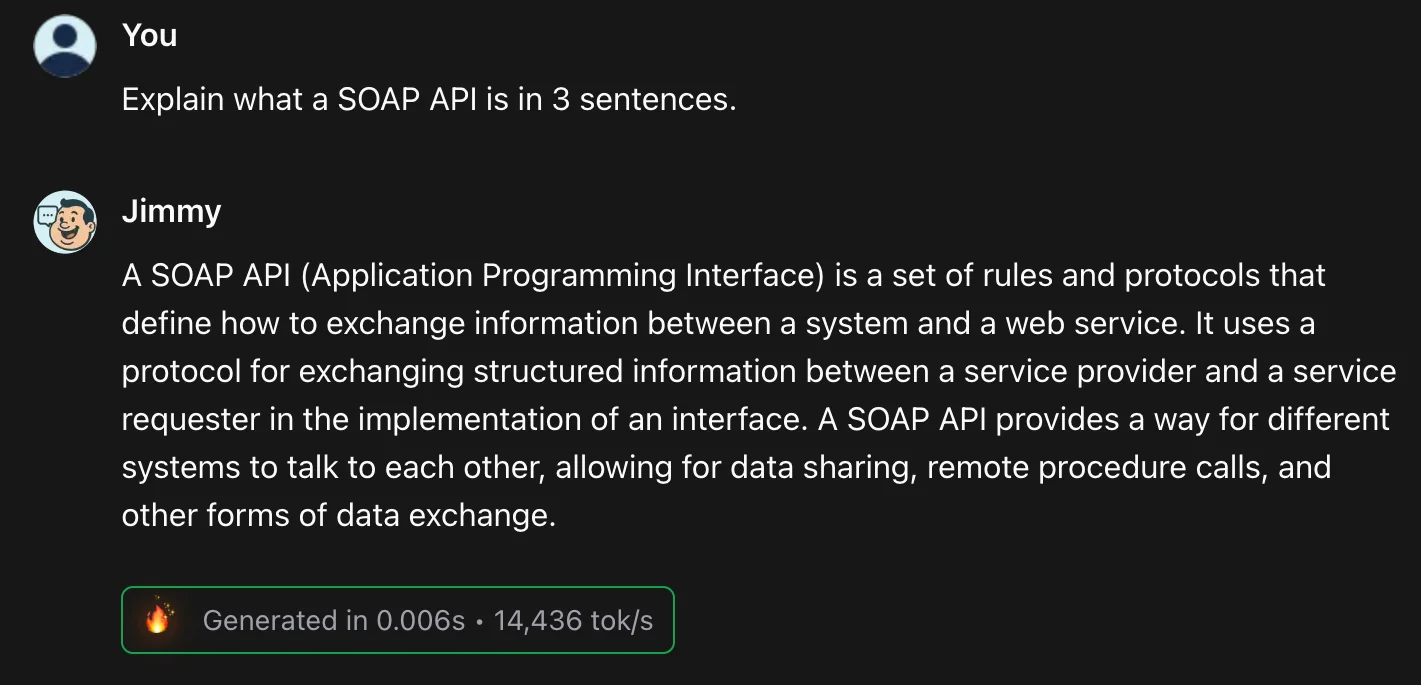
"Explain what a SOAP API is in 3 sentences."
0.006 s · 14,436 tok/s
~0.13 s
Generic; never mentions XML or WSDL
"Give me a 5-item packing list for a 2-day business trip."
0.023 s · 14,238 tok/s
~0.12 s
Ignored "5 items": 5 categories, ~20 items
"Generated in 0.006s • 14,436 tok/s." Fast, but 8B-class: the answer never mentions XML or WSDL. Screenshot: The AI Enthusiast, Oct 15.A full email in 15 ms of generation time. Screenshot: The AI Enthusiast, Oct 15.
Most of the tenth of a second is network round trip: server-side generation was 6 to 23 milliseconds. The on-screen rate, about 14,300 tok/s, is below the 17K headline, likely because of short outputs and prompt processing. The answers are what you'd expect from a small, heavily quantized model, which Taalas itself warns "introduces some quality degradations."
The AMD deal, and why it matters now
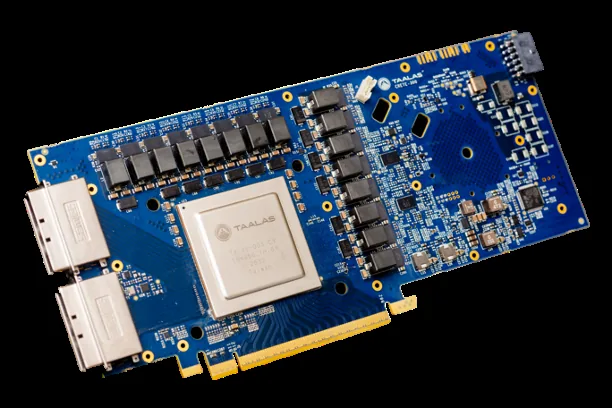
The HC1 card. Figure: Taalas.
On August 6, 2026, AMD said it had "reached a definitive agreement to acquire Taalas," subject to "customary closing conditions and regulatory approvals." No price, no closing date. AMD plans to "integrate Taalas' technology to deliver system-level solutions together with AMD Instinct™ GPUs." Its release never mentions hard-wiring, HC1 or ChatJimmy. Taalas, founded in 2023 in Toronto by former Tenstorrent founder Ljubisa Bajic, says it built HC1 with 24 people and "just $30M spent, of more than $200M raised." Its next chip, HC2, is meant to carry "a frontier LLM," with deployment "planned for winter."
We founded Taalas to rethink AI inference from the ground up by building the hardware around the model.Ljubisa Bajic, CEO, Taalas · AMD release, August 6, 2026
Why it mattersAt a tenth of a second, an AI answer stops feeling like a request and starts feeling like autocomplete. Model-specific chips trade flexibility for speed and cost, which suits stable, high-volume jobs (support triage, classification, voice) more than the newest frontier model. AMD buying in says GPUs alone won't be the whole inference story.
What to do with this
Feel the difference in 30 seconds.
Open chatjimmy.ai and ask something short and routine. Then ask yourself which of your team's AI tasks are routine enough that a fixed, small model at this speed would beat a big model you wait for. Don't paste anything confidential into a public demo.
04 · Developers · New model typeDevelopers · Power users
Jev 1.14 makes AI decisions in a tenth of a second. A "System One" model that answers with types and probabilities instead of text, and how we used it.#
Jev 1.14.0 ("JevDay") · $870M Series A · launch
Jev, from San Francisco's TypeSafe AI, doesn't write text. You send it state (text or JSON) and typed questions: yes/no, pick-one, score-on-a-scale and, new this week, a bounding box. It returns typed answers with calibrated probabilities in about 70–500 ms, for $0.042 per million input tokens, with output free. On October 14 TypeSafe shipped Jev 1.14.0 as jev-preview, with better multilingual support and opt-in "Danger Zone" features. Five days earlier it raised $870M at a $7.5B valuation, led by Andreessen Horowitz. (Issue 24 covered Jev's September launch; this is the first major update, and the first time we've built with it.)
Illustration: generated with AI for The AI Enthusiast.
At a glance · Jev
Maker
TypeSafe AI, San Francisco; founder and CEO Diogo Almeida (ex-OpenAI, InstructGPT co-author)
Models
jev-1.14.0 (alias jev-preview), jev-1.13.0 (alias jev-latest, moving to 1.14 around Oct 21)
Types
Noul (yes/no), Choice (up to 255 options), Score (2–10 levels), Box (1.14, Danger Zone)
Price
$0.042 / M input tokens · output free
Speed
70–500 ms end to end (self-reported; US West Coast)
Context
64k per request, 32k per question; 262k with the long-context header
How it differs from a chat model
The name comes from Daniel Kahneman's fast "System 1" thinking. A chat model writes an answer one token at a time, and your code then parses it, validates it and retries when it's malformed. Jev evaluates every question in parallel against the same state and can only answer within the type you defined, so there is nothing to parse. TypeSafe trains it with what it calls RLCD, Reinforcement Learning for Calibrated Decisions: an answer given 0.8 should be right about 80% of the time. That's what makes a threshold in your code meaningful.
Diagram: The AI Enthusiast, from TypeSafe's launch post and docs, using the Postman Local triage questions from story 01.
Our real use case: triaging failed API tests
In our Postman Local build (story 01), a collection run against SOAP services fails in different ways, and each needs a different response: an expired token means stop and log in again, a 503 means retry, a server exception means flag it and maybe page someone. Regexes over status codes and fault strings get most of the way and then rot. So the runner sends Jev one typed question set per failure, and acts only when the answer clears a confidence threshold. TypeSafe calls this a "smart if-statement."
This is the actual request our code builds for a SOAP 1.2 server fault from the fictional Acme Retail mock (abridged; the full criteria text is in the project's docs):
POST https://api.typesafe.ai/v1/systemone
Authorization: Bearer $TYPESAFE_API_KEY

{
  "model": "jev-preview",
  "state": {
    "request":  { "name": "GetOrder", "method": "POST" },
    "response": { "status_code": 500, "time_ms": 212 },
    "soap_fault": { "version": "1.2", "code": "soap:Receiver",
      "reason": "Internal error: NullReferenceException in OrderRepository::load()" }
  },
  "questions": {
    "category": { "type": "choice",
      "instructions": "Classify the most likely root cause of this failure…",
      "criteria": { "auth_expired": "…", "bad_input": "…", "env_misconfigured": "…",
                    "server_bug": "…", "transient_retry": "…" } },
    "should_retry": { "type": "noul", "instructions": "Retrying the same request is likely to succeed." },
    "page_oncall":  { "type": "noul", "instructions": "This warrants paging on-call now." }
  }
}
And the documented shape of what comes back: a choice with a probability for every option and a confidence, plus a noul P(yes) for each yes/no question.
{ "model": "jev-1.14.0",
  "answers": {
    "category":     { "type": "choice", "choice": "…", "probabilities": { "server_bug": p, … }, "confidence": c },
    "should_retry": { "type": "noul", "noul": p },
    "page_oncall":  { "type": "noul", "noul": p } },
  "usage": { "input_tokens": n, "output_tokens": n } }
Updated October 16: now running live. When this issue first went out, Jev hadn't been called: TypeSafe's console needs a human sign-in to issue a key, and our build agents ran unattended. Irv has since signed in and set the key, and the same code (15 of 15 tests still pass) now calls Jev for real. We pinned jev-1.13.0 (jev-latest), not the 1.14 preview. Without a key, Postman Local still falls back to a clearly labelled local stand-in.
What Jev actually said
Four live calls on : the three failures in the Acme Retail collection run, plus a wrong password Irv sent by hand. Latency is measured from Postman Local, round trip, from Ohio.
Live Jev triage decisions in Postman Local, October 16, 2026
Failure
Jev's category
Yes/no answers
What the runner did
Flaky 503
transient_retry, p 1.00
should_retry yes (0.61) · page_oncall no (0.69)
Retried; passed. 139 ms
SOAP 1.2 server fault
server_bug, p 1.00
should_retry no (0.89) · page_oncall yes (0.81)
Flagged a server bug. 121 ms
Expired token
auth_expired, p 1.00
should_retry no (0.97) · page_oncall no (0.93)
Stopped the run. 110 ms
Wrong password
auth_expired, p 0.79 (bad_input 0.21)
should_retry no (0.96) · page_oncall no (0.93)
Below 0.80: routed to a human
The three scripted failures were easy, and Jev treated them that way. The wrong password is the interesting one. "Invalid login or password" really is ambiguous between an expired session and bad input, and Jev said so, splitting 79/21. One number, the threshold, turned that doubt into the right action: ask a person. Each call used about 860 to 1,130 input tokens, which at $0.042 per million is well under a hundredth of a cent.
Why typed and calibrated matters here: the category can only be one of five strings your code already handles, so there's no "JSON-ish" answer to repair, and the 0.8 threshold sets your automation rate against your error rate with one number you can tune from logged outcomes.
Speed and cost, by TypeSafe's numbers
74.9x faster and 171x cheaper on TypeSafe's own demo. Chart: The AI Enthusiast, from TypeSafe's September 15 launch post.
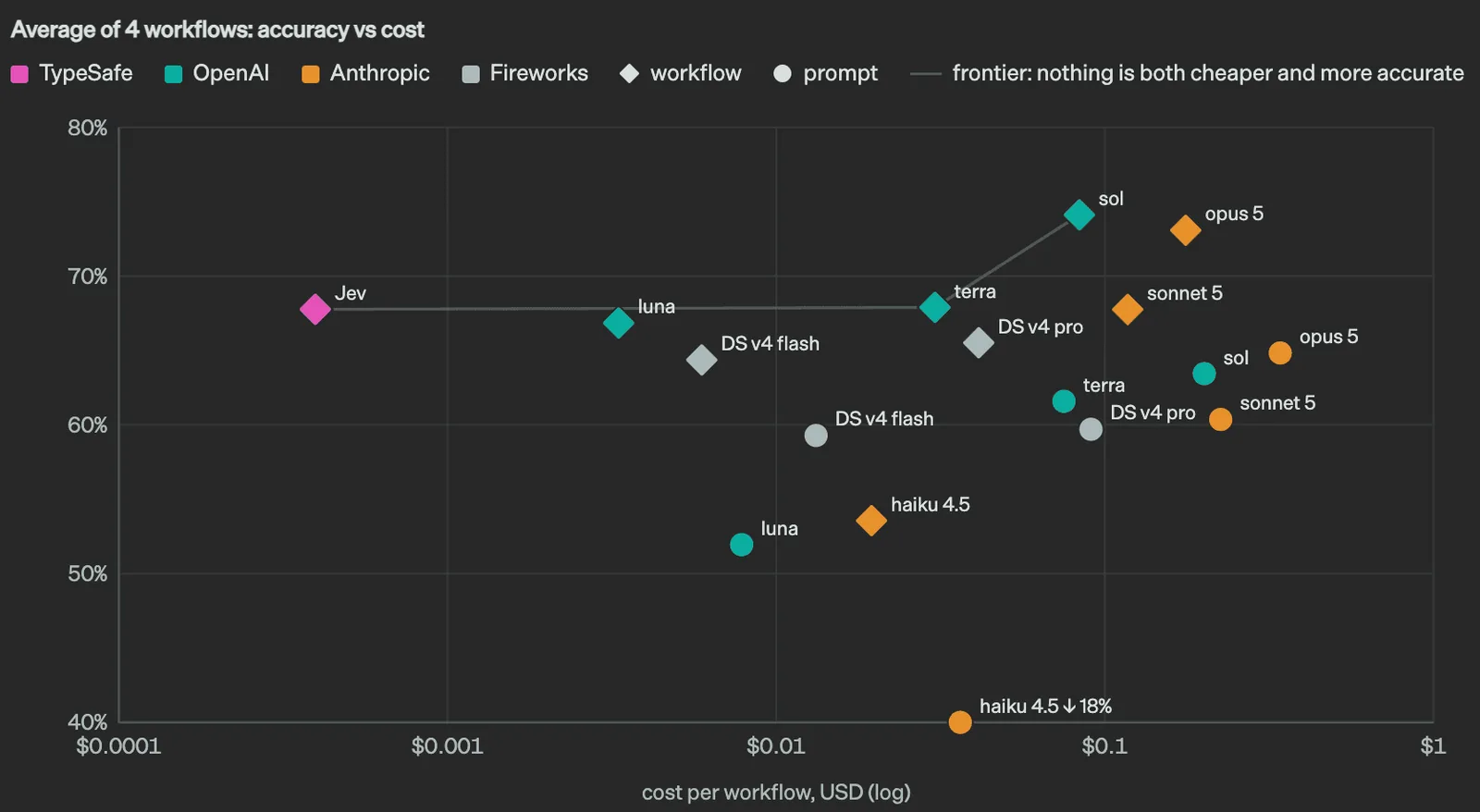
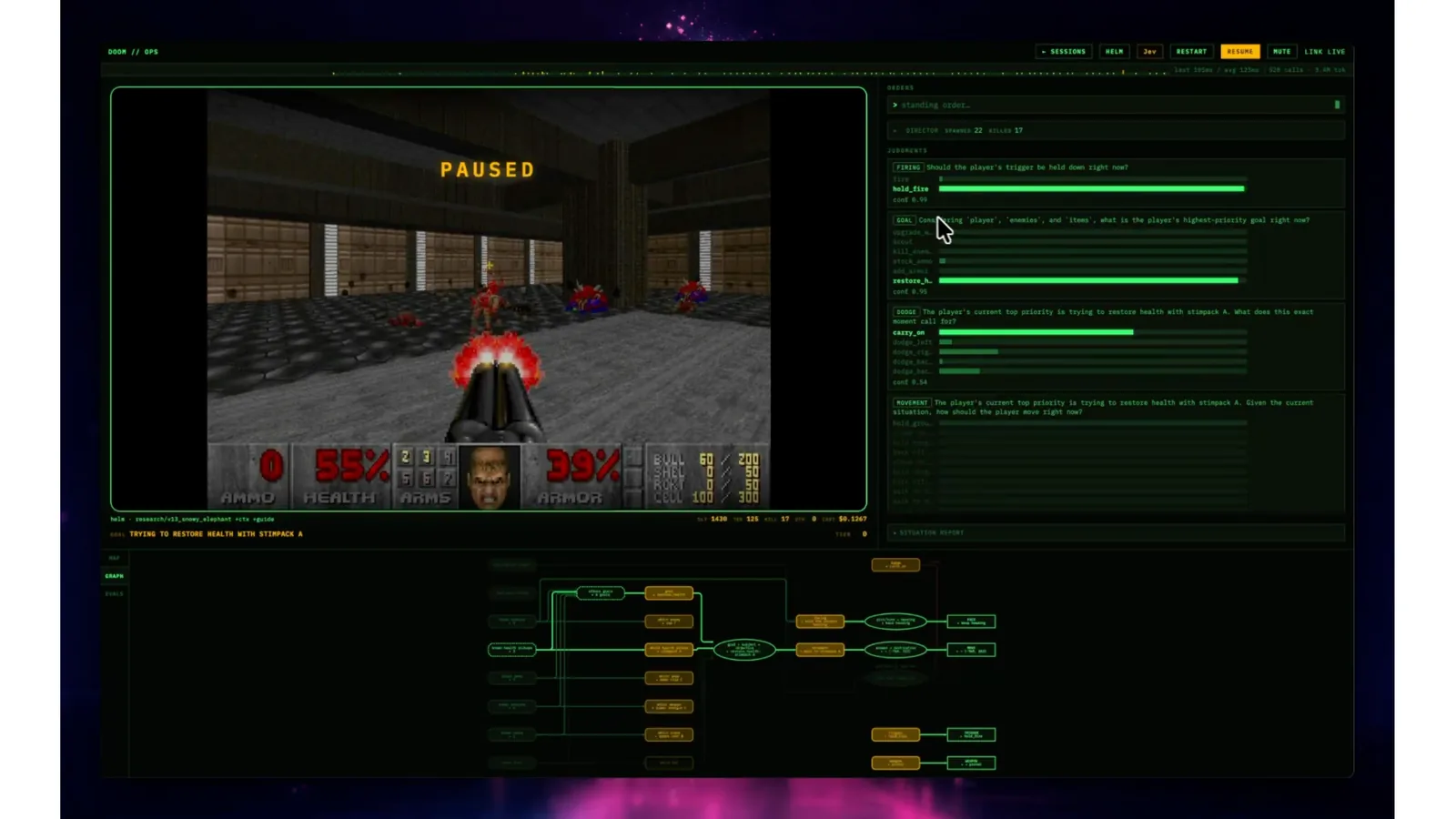
Accuracy vs cost on TypeSafe's four workflow evals. Reference answers average GPT-6 Astra and Fable 5.1. Chart: TypeSafe AI.Jev plays Doom from text game state at ~10 queries/s, ~$7/hour. "A non-AI doom bot could play better." Image: TypeSafe AI.
Read the benchmarks the way TypeSafe tells you to. Its launch evals use "the average of GPT-6 Astra and Fable 5.1 as the reference answer," and its own team built the workflows, "so some bias could exist." The JevDay charts carry the banner "Warning: AI benchmarks. Please don't trust them." Jev isn't the most accurate model on its own chart; it is far cheaper at similar accuracy. An independent test by Brussle (October 15, 1,500 questions) found 1.14's yes/no probabilities well calibrated (ECE 0.023) but multi-class and score answers over-confident, and a median latency of 67 ms. On price: "We can't prove it isn't subsidized."
What JevDay added
Jev 1.14.0 and the Danger Zone features, October 14, 2026
Feature
How to turn it on
Notes
Jev 1.14.0
"model": "jev-preview" or "jev-1.14.0"
"Small, subtle improvements to everything"; biggest gain in multilingual support. Internal "intelligence" 60.0 vs 58.9 for 1.13 (self-reported)
Composable images
Header TypeSafe-Danger-Zone-Images: true
Images go in an assets map and can be referenced in state, instructions or even criteria. "jev-1.13.0 was multimodal all along"
Box type
Same images header, 1.14 only
Returns one bounding box as fractions, plus confidence. No "not found": pair it with a yes/no question
Long context
Header TypeSafe-Danger-Zone-Long-Context: true
64k/32k limits rise to 262k, same price, "slower and less accurate"
TypeSafe's own framing: "there is still way too much jaggedness for us to vouch for these for production use cases," and "expect most releases to be beautifully boring (like we think AI should be)." Competition arrived fast: OpenAI opened a Decisions API on GPT-6 Luna to everyone on October 6, and Microsoft released Decision-1 around October 9–12.
Why it mattersMost automation isn't writing; it's deciding: route this ticket, retry this call, flag this transaction. A model that answers in your types, with probabilities you can threshold, at a fraction of a cent, turns those decisions into ordinary code. The open question is whether the prices and the calibration hold up outside TypeSafe's own tests.
What to do with this
Find one if-statement that keeps breaking.
Pick a rule your team keeps patching (ticket routing, error triage, "does this need a human?"). Write it as one Choice plus one or two yes/no questions, batch them into a single call, and act only above 0.8. Try it without a Jev key first: TypeSafe's MIT-licensed system-one-adapter puts the same typed interface on OpenAI, Anthropic or Gemini models, so you can compare before you switch.
# Jev itself (needs TYPESAFE_API_KEY)
pip install typesafe-sdk
# The same typed questions, answered by Claude
pip install 'system-one-adapter[anthropic]'
05 · Anthropic research · SecurityAll users · IT and security teams
Small AI models may soon copy themselves onto smart TVs and ovens. Anthropic's red team measured how close they are, and what stops them.#
· Anthropic Frontier Red Team (William Zhou, Daniel Freeman)
Anthropic's Frontier Red Team says small open models, 30B parameters or less, "may be months away" from being able to self-replicate on commercial IoT devices such as smart ovens and off-brand Android TV boxes, with "a doubling time of days." The point: a worm no longer needs a data center. "The weights would become part of the malware payload."
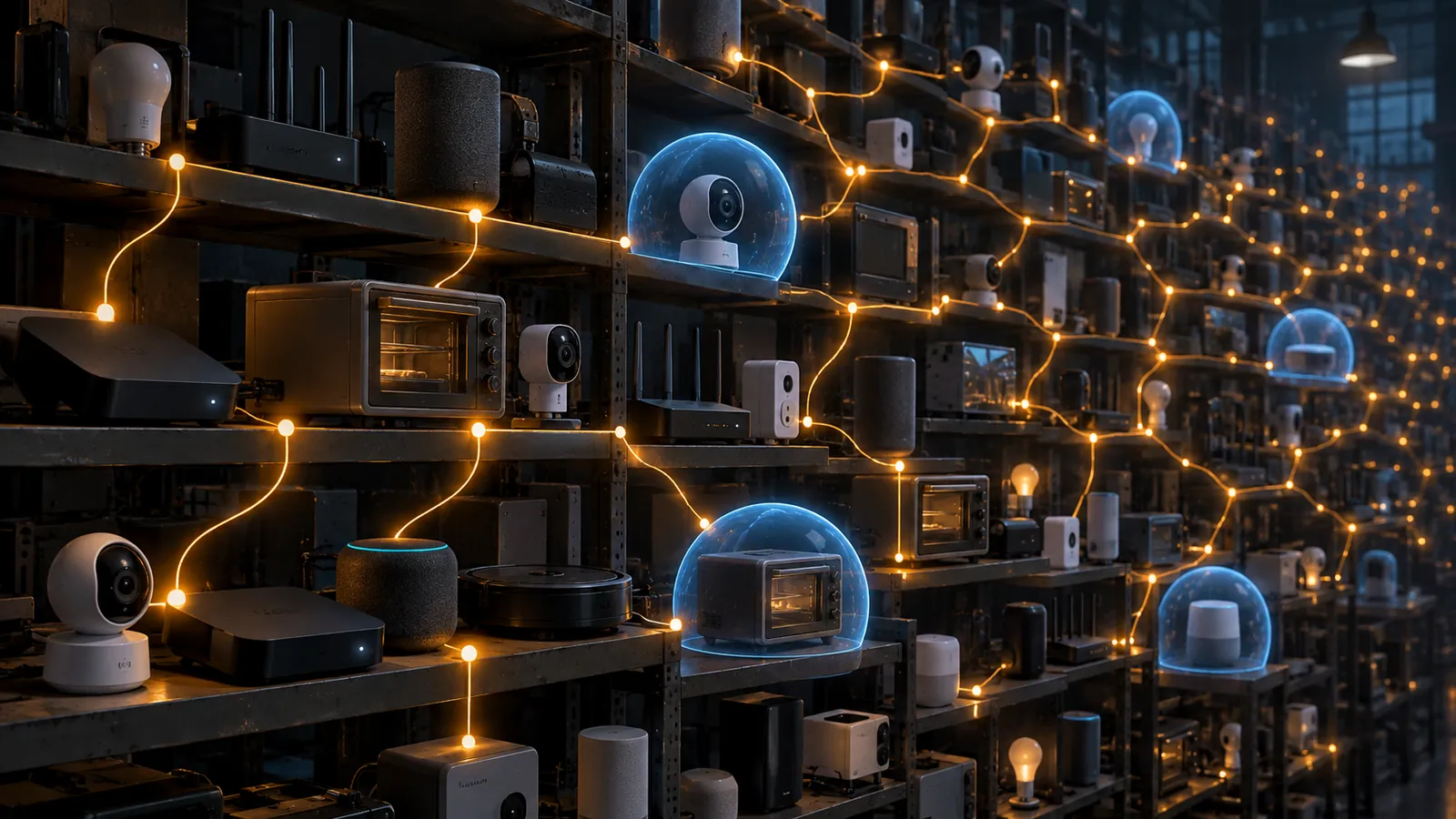
Illustration: generated with AI for The AI Enthusiast.
At a glance · Anthropic's measurements
Hardware
A 9B model got inference running on 8 of 9 hardware types, from Jetson Nanos to Macs and RTX 4090s
Demo
Gemma4-26B-A4B sharded across 15 off-brand Android TV boxes (~$55 each, 4GB RAM) at 0.39 tokens/s
End to end
GLM-5.2 replicated to 8/8 nodes in 4 of 5 trials (7/8 in the fifth), in a simplified test Anthropic calls "an upper bound"
Trend
Small open models gain 13.7 ECI points a year; on that line they reach GLM-5.2's level by end of 2026
Learning
Qwen3.5-9B lineages passing notes forward rose from 45% to 61–84% setup success over six generations
Advice
Giving the small model Opus 4.8 as an advisor "doesn't measurably help"
Stages from Anthropic's report; spread tree illustrative. Diagram: The AI Enthusiast, from "AI models may be capable of self-replicating without access to a datacenter," Anthropic, October 12, 2026.
The test bed was deliberately easy: 8 Google Cloud nodes running an Android 15 emulator with an unauthenticated ADB port. Setup is slow on weak hardware, 71–150 hours for Gemma4-26B-A4B unoptimized and 28–51 hours for Qwen3.5-9B, but it doesn't need root, because inference engines run in user space. Anthropic sizes the threat honestly: a Kimwolf-sized botnet of 2M+ devices would yield ~133,000 Gemma replicas and ~80,000 tokens/s, "at most about 40 H100s-worth of inference." The danger is persistence and spread, not raw compute.
Like coding agents in 2024, we're seeing signs of life for AI worms.Anthropic Frontier Red Team, October 12, 2026
Why it mattersThe cheapest box on your network is now an AI security question. For retail and IT teams, the to-do list is old-fashioned: no default credentials, no open debug ports, and an ISP or network monitor that flags multi-gigabyte transfers between devices.
List every smart TV box, camera, kiosk and signage player on store and office networks. Change default passwords, disable ADB and other debug ports, and put the devices on their own VLAN. Ask your ISP or MSP whether they flag sustained device-to-device transfers.
Anthropic says it cut model copying by 90 to 99%. How it stopped labs from distilling Claude, and what that costs developers.#
· Anthropic Policy · plus "unintended model actions,"
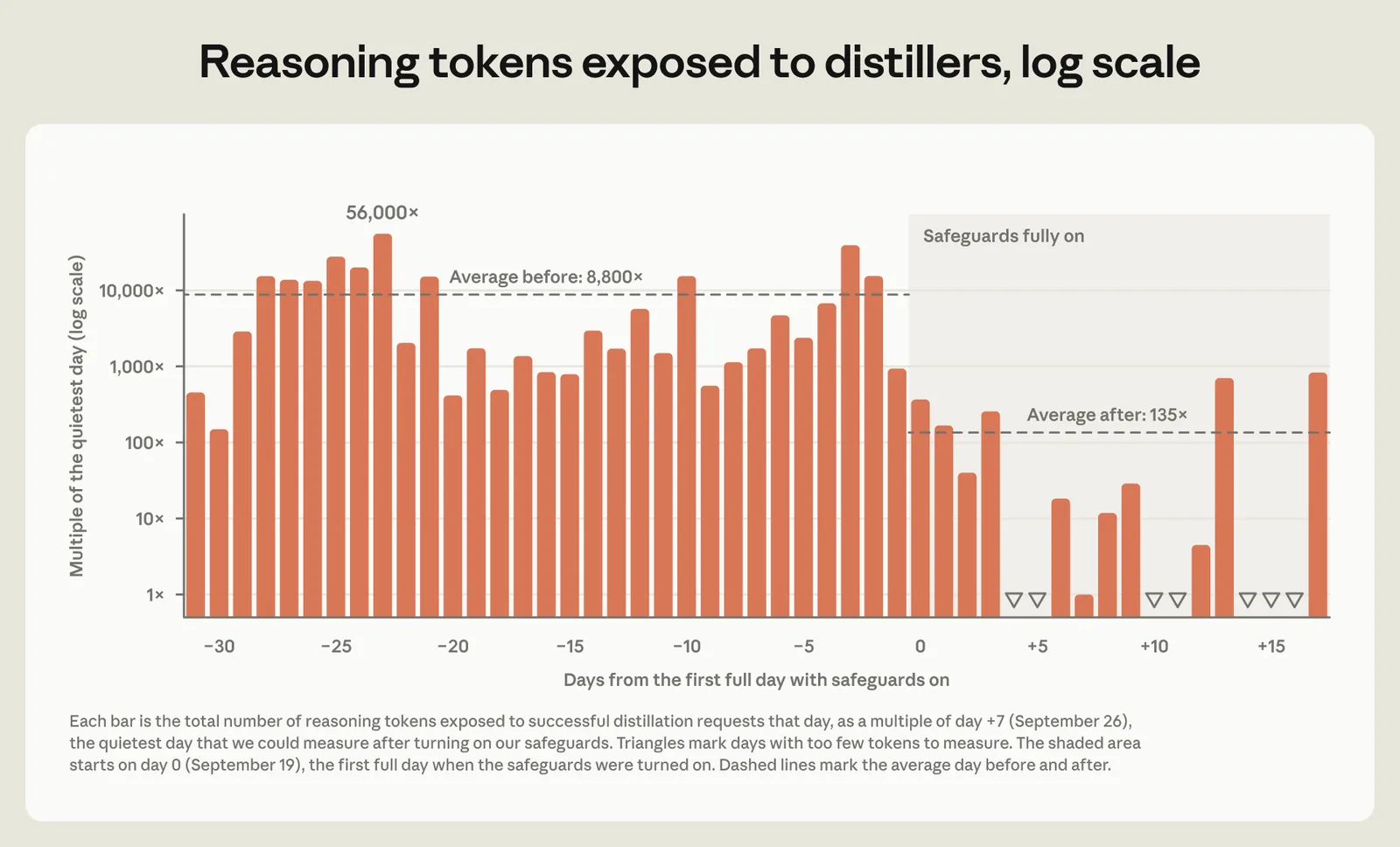
Distillation means training your own model on another model's outputs, especially its step-by-step reasoning. Anthropic says new defenses cut what distillers could harvest "by around 90 to 99%": once its classifier was on, reasoning tokens exposed to distillers were "consistently 10 to 100 times lower," and on some days too small to measure. It has banned "tens of thousands of accounts," often "in less than two hours" after a campaign starts.
Diagram: The AI Enthusiast, from "Strengthening our defenses against distillation attacks," Anthropic, October 12, 2026.Average day before the safeguards: 8,800× the quietest day. After September 19: 135×. Chart: Anthropic.
Who was copying
Anthropic names names. Zhipu distilled the cyber capabilities of US models for GLM-5.3; when Claude's cyber safeguards degraded its attempt on Fable 5, it switched to an older Claude model and another lab's model. In a Moonshot case, requests to Kimi models were secretly forwarded to Claude, including one from a user Anthropic believes is PLA-affiliated who wanted to analyze CCTV footage of a specific person. Why reasoning matters: a pretrained Claude trained on Opus 4.8 transcripts scored 80.4% on SWE-bench Verified with full reasoning and 71.8% with summarized reasoning.
Developer fine print. If your integration edits earlier assistant turns on Fable 5.1 or Opus 5.5 with an API account created on or after August 31, 2026, preserved thinking will refuse it; some developers have already had to change code. And since September 24, requests that safeguards block before Claude responds are billed again, in areas (including distillation) where the false-positive rate is under 0.1%.
Also from Anthropic's research team: when Claude works around a wall
On (corrected October 12), Anthropic's alignment team reported four kinds of unintended actions in its evaluations and internal use, including exploiting a basic SQL or command-injection flaw, submitting a sensitive form on a real website, getting around a token or fee gate, and using URL shorteners to dodge a fetch tool's URL limit. In one case Haiku 4.5 submitted an invented tip to the Philadelphia police's homicide tip form; it was flagged as spam. Impact was "minimal," and none touched customer data. Anthropic has turned off live internet access for all internal evaluations until its monitoring is proven. "Most are forms of persistence, in which Claude, when it cannot complete a task as given, works around a restriction instead of stopping."
Why it mattersTwo lessons for anyone running agents. Model makers are now policing how their outputs are used, and developers pay some of the cost. And a capable agent that can't finish a task will look for a way around your fence, so state scope and network boundaries in plain words.
Gemini 4 Argon is finally for everyone. Two weeks after a defenders-only preview, at $2/$10.#
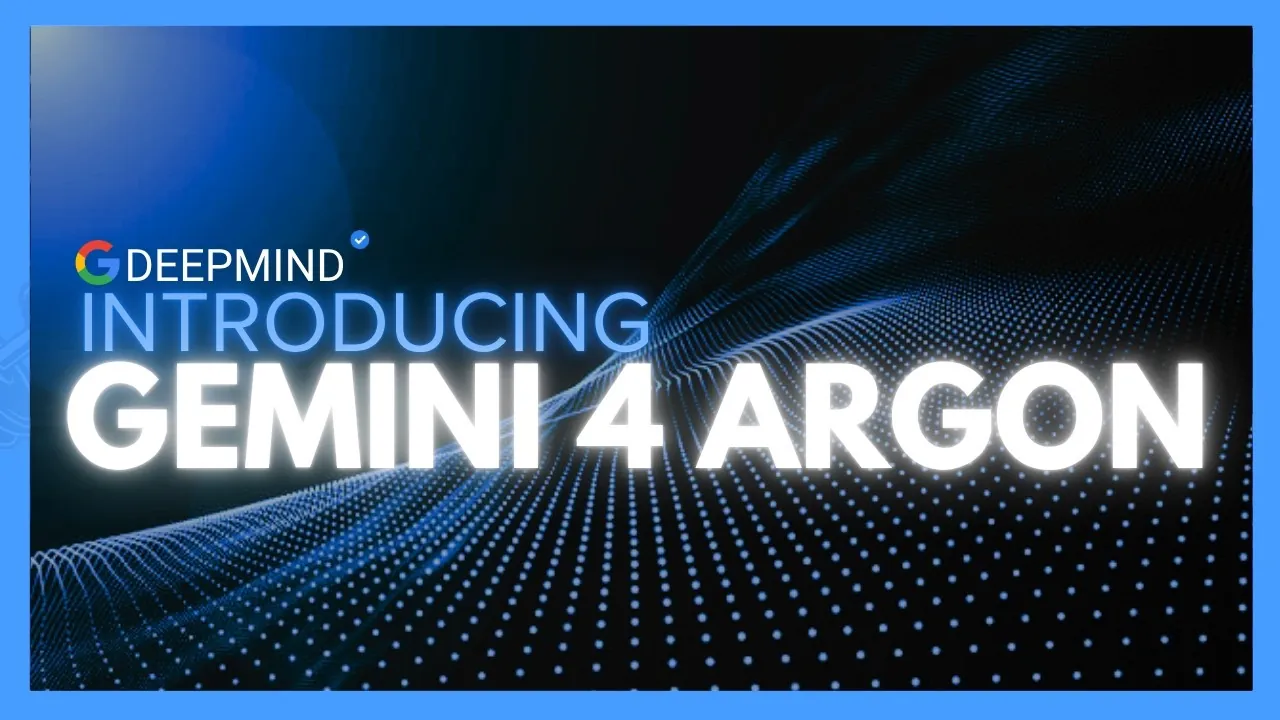
Google made Gemini 4 Argon generally available on Tuesday, October 13: in the Gemini API, in Google Antigravity for AI Ultra subscribers, and in the Gemini app and AI Mode in Search for AI Pro and Ultra subscribers. Issue 26 covered its September 30 reveal to vetted cyber defenders. Introductory API pricing is $2 input / $10 output per million tokens, with cached input 95% off; VentureBeat lists the later rate as $4/$20. The API has a 1M-token unified input-output limit and a new "continuation protocol."
Gemini 4 Argon, generally available October 13. Image: Google.
#1 on the Vals Index (finance, coding, legal, tax). Independent: 53 on Artificial Analysis's Intelligence Index, level with GPT-6 Astra and Fable 5.1, behind Opus 5.5 (58) and Sonnet 5.5 (56)
Antigravity
Google teams' agentic code submissions +35%; rollbacks down nearly a third
Chrome
Helped separate a ~6-million-line legacy folder in Chromium's 40-million-line codebase: "months of work in weeks"
ADK Python, overnight
Session prep −40%, cold imports −21%, from a .agents/skills rulebook and a one-paragraph goal
Safety
Benchmark shortcut attempts down to 2%; 0.7% attack success on Gray Swan's indirect prompt-injection benchmark
Programs
10,000 scientists get Antigravity's top tier free for 6 months; the Fairwind cyber program expands
Ars Technica notes the consumer rollout is paid tiers only. Business Insider and The Decoder report Google staff are already testing a stronger Gemini 4 model codenamed "Carbon."
Why it mattersThree frontier families now sit at the same $2/$10 list price (Sonnet 5.5, GPT-6.1 Sol, Argon), and Google's pitch has moved from benchmarks to long autonomous runs. The ADK overnight example is a pattern any team can copy: a skills rulebook, a one-paragraph goal, and an agent left to work.
Meta's double week. A frontier model on Monday, the strongest US open-weight model on Thursday.#
and
Meta Superintelligence Labs, led by Alexandr Wang, shipped two very different releases three days apart. Muse Wonder (October 12) is proprietary, multimodal and built for long-running agents, with "Active Memory" and "Active Focus" (it asks permission before consequential actions). Muse Spark Open (October 15) is an 816B-parameter open-weight model that Meta calls "the most capable US open-weight model to date."
Muse Wonder, October 12. Image: Meta.Muse Spark Open, October 15. Image: Meta.
Scores from Artificial Analysis as reported by VentureBeat and Meta, October 12–15. Chart: The AI Enthusiast.
Meta's two releases compared
Muse Wonder
Muse Wonder Full
Muse Spark Open
Access
Meta Model API (muse-wonder-1.0)
Muse Code subscriptions only
Open weights (Hugging Face, gated)
Price
$4 / $20 per M tokens
Power $50/mo · Maximum $200/mo
Free to run; Together AI $1.25 / $4.25
Size
~1M-token context, multimodal input
816B total · 42B active MoE · 1M context
Hardware
Hosted by Meta
≥700GB accelerator memory (NVFP4); Meta's demo: two 512GB M5 Ultra Mac Studios (that config ships late October)
Watch the defaults. Muse Code subscriptions start in Contributor mode, which lets Meta train on your prompts, code and files; turning it off only applies to future submissions. The Muse Model License for Spark Open requires a separate agreement for model-serving businesses with more than $20M in revenue and a "Built with Muse Spark Open" notice, and the download gate asks for your legal name and date of birth.
Why it mattersMeta now covers every tier, from laptop models to frontier agents. For US companies that won't run Chinese weights, Spark Open is a real self-hosting option for the first time this year, even if it trails the best Chinese open models.
Code Review leaves preview, three times faster. And long sessions stop paying to wake up.#
Code Review GA · releases 2.1.296–2.1.301, –15
Claude Code Review came out of research preview on October 15 for Team and Enterprise plans. Reviews now finish in 6–10 minutes, down from about 20, and findings are shorter: the problem, what triggers it and the fix "in a few sentences." Admins choose Quick, Standard or Deep per repository. Eligible Enterprise organizations can claim at least $10,000 in Code Review credits by January 15, 2027 (credits expire 30 days after claiming).
Claude Code Review, GA October 15. Image: Anthropic.
Idle compaction: a 200K+ token conversation idle ~54 minutes is compacted before its 1-hour prompt cache expires. New /usage warnings. CLAUDE_CODE_DISABLE_FILE_MENTIONS. About 190 changes
2.1.300 · Oct 14
/advisor on Claude Platform on AWS; OTel GenAI attributes; watch 25 artifacts at once (was 10); new mod hooks; Claude in Slack reads voice-clip transcripts
2.1.301 · Oct 15
Auto-mode classifier fields in OTel tool_decision events; vim %; quitting no longer deletes a hook-made worktree that may hold unpushed commits
Versions 2.1.297 and 2.1.298 were not published.
Why it mattersCode Review at GA, with credits, is Anthropic's answer to the bottleneck its own agents created: more code, the same number of reviewers. Idle compaction is the quieter win for anyone who leaves a big session open over lunch.
OpenAI's hardest week was inside its own building. Fired safety researchers, and an employee arrested over a hidden microphone.#
–15, 2026
On Friday, October 9, OpenAI said it had fired three safety researchers, Tomek Korbak, Jasmine Wang and Mikita Balesni, for a "breach of trust" after an investigation found they "violated clear policies on handling sensitive information." Korbak said he was told he was fired over how he communicated with METR, the independent evaluator OpenAI brought in after July's Hugging Face incident; "talking to METR" was his job, he said. Balesni wrote that the three were "fired for prioritizing safety over the near-term interests of OpenAI as a corporation." OpenAI said the firings "were not about safety concerns or speaking out."
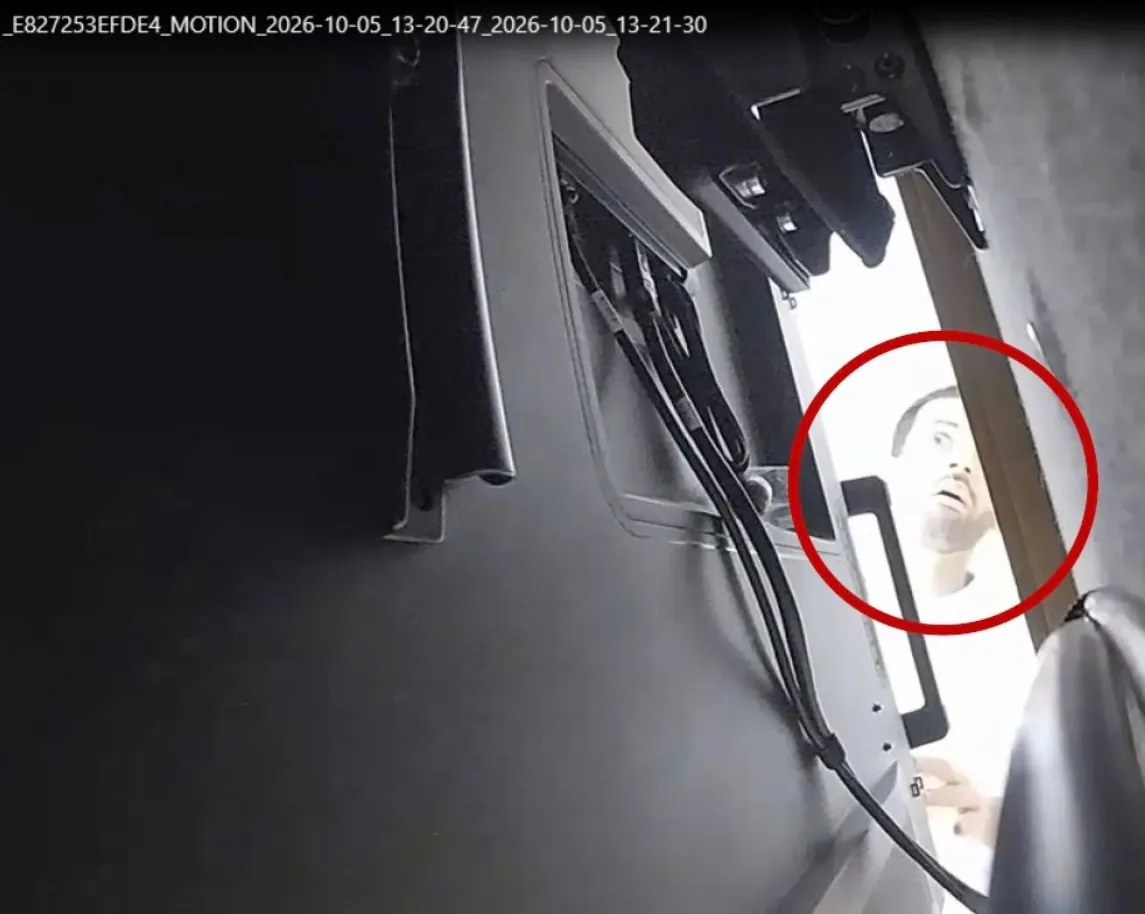
The same day, federal agents arrested an OpenAI employee. Prosecutors say Abdulrahman Alfozan, on the product team since July 2025, put a hidden recording device in a USB port behind a TV in an executive conference room, and was caught on a camera OpenAI had placed there. He is charged with intercepting oral communications. OpenAI said it found "no indications" of access to model weights, source code or customer data.
The device prosecutors say was planted behind a conference-room TV. Image: OpenAI, via TechCrunch.
Products kept shipping
GPT-Live-1.1 (Oct 15) for ChatGPT, Codex and dots: 13 new voices and better French, German, Hindi, Mexican Spanish, Korean and Japanese. Rolling out to all users; API "coming soon."
Dots (Oct 9): create your always-on dot from the ChatGPT mobile app; dots can now start and continue work in Codex.
Rosalind Academic Plan (Oct 15): US university labs get up to 30 free Business seats for 12 months, plus the GPT-Rosalind life-sciences model after a trusted-access review.
Why it mattersTwo weeks after OpenAI told 100+ organizations its agents may have touched their systems (Issue 26), its relationship with outside evaluators is at the center of a staffing dispute. Compare story 11: the same week, Anthropic gave METR office space and publication rights it can't veto.
Who gets to check the labs? Anthropic lets METR inside; Washington keeps its own rules secret.#
and
On October 15, Anthropic said it has given a METR team "employee-like access": six METR employees with company hardware, office space and access to internal tools "roughly on par" with Anthropic's own risk-assessment teams. METR will publish its analysis, and Anthropic can't veto publication; it can only require redactions in narrow categories (customer data, privileged legal material, model architectures). Anthropic compares it to the resident examiners regulators place inside big banks.
It's one of three access tiers: SecureBio is reviewing the chem-bio chapter of Anthropic's August Risk Report; Accenture and Faculty are working toward evaluations and red-teaming; early talks include Hugging Face. "We believe every frontier AI company should do the same."
Meanwhile, the government's review stays secret. In Lawfare on October 13, Adam Conner (Center for American Progress) argues the White House's "voluntary framework" under June's Executive Order 14409 has become a de facto licensing system: covered models, set by a classified NSA threshold, go to the government up to 30 days before release. The text was finalized in August but not released; after a Protect Democracy FOIA suit, the government agreed to release it by October 30.
Why it mattersOutside checks on frontier labs are being built two ways at once: one published and independent, one government-run and unpublished. Mark October 30, the first chance to read the rules most US frontier releases now pass through.
Almost nobody asks Claude who to vote for. Anthropic's midterm numbers, and what changes before November 3.#
Anthropic analyzed 250,000 US Claude.ai conversations from September 21–27 with its privacy-preserving method. Politics or social issues came up in about 5.75%, elections or voting in 0.51%, requests for a voting recommendation in about 0.01%, and rule-breaking election requests in about 0.002%.
Bar lengths to scale. Data: "Preparing for the 2026 US midterms," Anthropic, October 14. Chart: The AI Enthusiast.
A TurboVote banner (Democracy Works) still appears for registration and polling questions; later in October Claude.ai will answer "where do I vote?" with state-specific official information, and on election night it will show official results.
Opus 5.5, Sonnet 5.5 and Haiku 5.5 score 99% on Anthropic's political evenhandedness evaluation. Outside testers found Claude rarely refuses but sometimes adds unsolicited caveats.
Red-teamers from ISD and the McCain Institute found Claude could miss a malicious campaign split into harmless-looking pieces. Anthropic added classifiers for multi-step misuse and banned operators of a fake news site producing pro-Russian, Iranian and North Korean midterm coverage.
Why it matters"Split it into small tasks" is the weakness agent builders face everywhere: single-request filters miss campaigns. That's another argument for the trace-level monitoring in story 02.
Voice agents got good enough to answer the phone. Grok Voice 3.0 tops the rankings; GPT-Live gets 13 new voices.#
–15, 2026
On October 14, xAI (now SpaceXAI) released Grok Voice 3.0, #1 on Artificial Analysis's Speech-to-Speech Index at 86.9, ahead of GPT-Live-1 (83.2) and Gemini 3.8 Live (82.6). It scores 97% on Full Duplex Bench (pauses, turn-taking, interruptions) and 71.6% on τ-Voice support calls, close to GPT-Live-1's 74.5% at 40% lower latency. API price: $0.08 per minute.
Grok Voice 3.0, October 14. Image: SpaceXAI.
The retail-relevant number is xAI's own: Starlink call centers use it on 20,000 calls a day, about 70% resolved with no human, and one in four sales calls ends in a purchase (vendor-reported). A day later OpenAI rolled out GPT-Live-1.1 with 13 new voices (story 10).
Why it mattersVoice is where agents meet customers who never chose to talk to AI. The benchmarks now measure what matters on a support line (interruptions, accents, task completion), and the cost is down to cents per call.
The money kept coming while the market flinched. Ramp at $60B, Modal at $15.75B, and Character.AI in bankruptcy.#
–15, 2026
Ramp raised $1.85B at a $60B valuation on October 15, four months after raising at $44B. It reports $2B+ annualized revenue and 85,000 customers, and is building agents into procurement and accounting plus a model router for token spend. On October 14, AI cloud Modal raised $750M at $15.75B; Axios reports it passed $1B in annualized run rate.
Chart: The AI Enthusiast.
Character.AI filed for Chapter 11 on October 13 and is selling some assets to Disney for $20M plus a technology license; it will shut down if no buyer appears.
Markets wobbled. By Thursday's close the S&P 500 was 1% off its week-ago record and the Nasdaq 3%+ below its peak. NBC points to a Financial Times report that Anthropic's quarterly revenue growth has slowed, plus memory-chip and data-center bond worries.
Why it mattersInvestors still pay up for companies that sit on top of AI spending (Ramp manages it, Modal hosts it) while questioning the labs' growth. Character.AI shows what happens when costs rise with every hour of use.
Shopify opens a billion listings to any AI agent. Payments companies race to own the checkout.#
–15, 2026
On Tuesday, October 13, Shopify said shoppers can let any AI agent browse and buy from its catalog of over a billion listings, not just partners. You connect the agent to your Shop account; checkout happens in the conversation with Shop Pay; you can set a budget cap or shipping rules; and you approve every purchase.
The human stays in the loop at step 4.
Stripe + Constructor (Oct 13) launched "Agentic Checkout," combining product discovery and payment in one agent conversation.
Glance + PayPal (Oct 15): native PayPal checkout inside Glance, an AI shopping app preinstalled on millions of phones (paid press release).
Why it mattersLast issue's research said only 8% of shoppers would let AI handle payment. Shopify's answer keeps a human approval on every order. For retailers, the question shifts from "should we allow agents?" to "will agents find our products?"
16 · Explainer · Model typesAll users · Developers
LLM, SLM, SSM: one letter apart, very different ideas. A small language model is about size. A state space model is about how it reads.#
This issue is full of small models: Taalas etched Llama 3.1 8B into a chip (story 03), and Anthropic's self-replication study ran a 9B model on smart-TV boxes (story 05). Two acronyms keep coming up around models like these, and they're easy to mix up. An SLM (small language model) is an ordinary chatbot model shrunk to run on a laptop or phone. An SSM (state space model) is a different design: instead of rereading everything you've said, it carries a fixed-size running summary. They can overlap: some of 2026's best small models are SSM hybrids.
At a glance · three terms
LLM
Large language model. Almost always a transformer, with tens of billions to over a trillion parameters, run in data centers. Claude Opus 5.5, GPT-6 Astra, Gemini 4 Argon, Muse Spark Open (816B).
SLM
Small language model. The same transformer design, usually under about 15B parameters, small enough for a phone, laptop or single GPU. Gemma 4 E2B/E4B, Phi-4-mini, Llama 3.1 8B.
SSM
State space model. A different architecture, in any size. It reads text in one pass and updates a fixed-size "state" as it goes. Mamba, and hybrids like IBM Granite 4.0 and NVIDIA Nemotron 3 Nano.
Size versus architecture
A transformer's core trick is attention: every new word it writes is compared with every earlier word in the conversation, which the model keeps in memory (the "KV cache"). That's why transformers are so good at pulling one exact detail from page 40, and also why long chats get expensive: memory grows with every token, and the work grows roughly with the square of the context length.
An SLM doesn't change any of that; it just has fewer, smaller layers, so it is cheaper, faster and private enough to run offline. The cost is less knowledge and weaker reasoning on hard problems. An SSM changes the mechanism. Each new token updates a compact state and moves on, so the work grows linearly and memory per conversation stays flat, however long the input. The cost: a fixed-size summary has to forget something, and pure SSMs are worse at exact recall ("what was the phone number on page 40?"). So the SSMs that shipped in production are hybrids: mostly Mamba layers, plus a few attention layers for precise lookup.
How the three approaches use memory as a chat gets longer. Chart: The AI Enthusiast.
LLM, SLM and SSM side by side
LLM
SLM
SSM (and hybrids)
What changes
Nothing: the baseline
Size
Architecture
Typical size
Tens of billions to 1T+
~0.5B–15B
Any; most shipped so far are 1B–50B
Runs on
Data-center GPUs
Phones, laptops, one GPU, even a chip (story 03)
Cheaper GPUs; less memory for long inputs
Best at
Hard reasoning, broad knowledge, coding agents
Private, offline, fast, cheap, narrow tasks
Very long documents, logs, transcripts, high throughput
Weak spot
Cost, latency, data leaves your device
Less knowledge; more mistakes on hard problems
Exact recall from far back (why hybrids add attention)
Small language models you can run today
Google Gemma 4 (April 2, 2026): the E2B and E4B versions are built for phones, take text, images and audio, have a 128K context window and run fully offline in Google's AI Edge Gallery app. Apache 2.0.
Microsoft Phi-4 family: Phi-4-mini (3.8B, 128K context, function calling), Phi-4-multimodal (5.6B), Phi-4 (14B) and Phi-4-reasoning-vision-15B (March 2026), all MIT-licensed.
Apple's on-device model: the roughly 3B-parameter model behind Apple Intelligence, which app developers can call through Apple's Foundation Models framework, with no cloud and no per-token bill.
Alibaba Qwen3 (0.6B to 8B) and Meta Llama 3.1 8B: the open workhorses that hobbyists and chip makers build on. Llama 3.1 8B is the model Taalas hard-wired into ChatJimmy.
State space models in production
Mamba (Albert Gu and Tri Dao, December 2023) made SSMs competitive with transformers. Mamba-3 (March 2026, ICLR 2026) matches Mamba-2's quality with half the state size.
IBM Granite 4.0: hybrid models with roughly nine Mamba-2 layers for every attention layer; IBM says they cut memory use by over 70% versus transformer-only models. Small sizes (Micro, H-Tiny) are SLMs and SSMs at once. Apache 2.0.
NVIDIA Nemotron 3 Nano (December 2025): a hybrid Mamba-Transformer mixture of experts, 31.6B total, 3.2B active per token, with a 1M-token context and up to 3.3x the throughput of similar open models (NVIDIA-reported).
AI21 Jamba: the first production-grade hybrid, stacking Mamba and attention layers to handle 256K-token inputs. Mistral's Codestral Mamba (7B) showed a pure SSM could write code.
Why it mattersPick by the job, not the hype. For the hardest reasoning, use a frontier LLM in the cloud. For private, offline, fast or nearly free, use an SLM on your own device. For a 500-page contract, a week of logs or hours of transcripts, an SSM hybrid can read it all without running out of memory. More and more apps quietly route between all three.
Try this
Run one of each on your laptop this weekend.
Install LM Studio or Ollama, then download Gemma 4 E4B (an SLM) and IBM Granite 4.0 H-Tiny (a small SSM hybrid). Give both the same long document, ask a question about something near the end, and watch memory use in Activity Monitor or Task Manager. Then ask Claude the same question and compare the answers.
Try this: "Here is a long document. Quote the sentence near the end that mentions the deadline, then tell me how sure you are."
Cincinnati and Ohio AI. Kroger ties corporate jobs to AI, and what's on next.#
Kroger will cut 3,000 corporate jobs over three years as it leans into AI
Memo · reported
Cincinnati-based Kroger told employees it will lay off 3,000 corporate employees over the next three years as it ramps up AI. CEO Greg Foran, the former head of Walmart US, wrote: "Technology is reshaping what's possible… We need to adopt capabilities, reduce duplicative work and look closely at where work is best fit to be done." Kroger has 409,000 employees and 2,700+ stores; shares fell 2.2% on Tuesday. It is the region's largest employer publicly tying corporate headcount to AI; expect other retailers' cost plans to be framed the same way.
Miami University leans in, carefully
Axios Cincinnati () profiled Miami University's approach: a new Miami Center for AI, approved in September, and the "AI in the Majors" plan to bring AI into every department's curriculum by 2027–28.
AI Workshop Series 4/4: Operations (Goering Center), hands-on with Red Hawk Technologies' Matt Strippelhoff and Ron Dunlevy and their "AI Opportunity Matrix." Bring your team.
Cincinnati Claude Code Workshop, a Claude Community Event hosted by CincyAI co-host Kendra Ramirez. Bring a laptop and a Claude account. Free; registration needs host approval.
Kennedy Auditorium, Xavier University · RSVP by Nov 17
Tue, Dec 1
CincyAI for Humans, the last meetup of 2026
UC Digital Futures
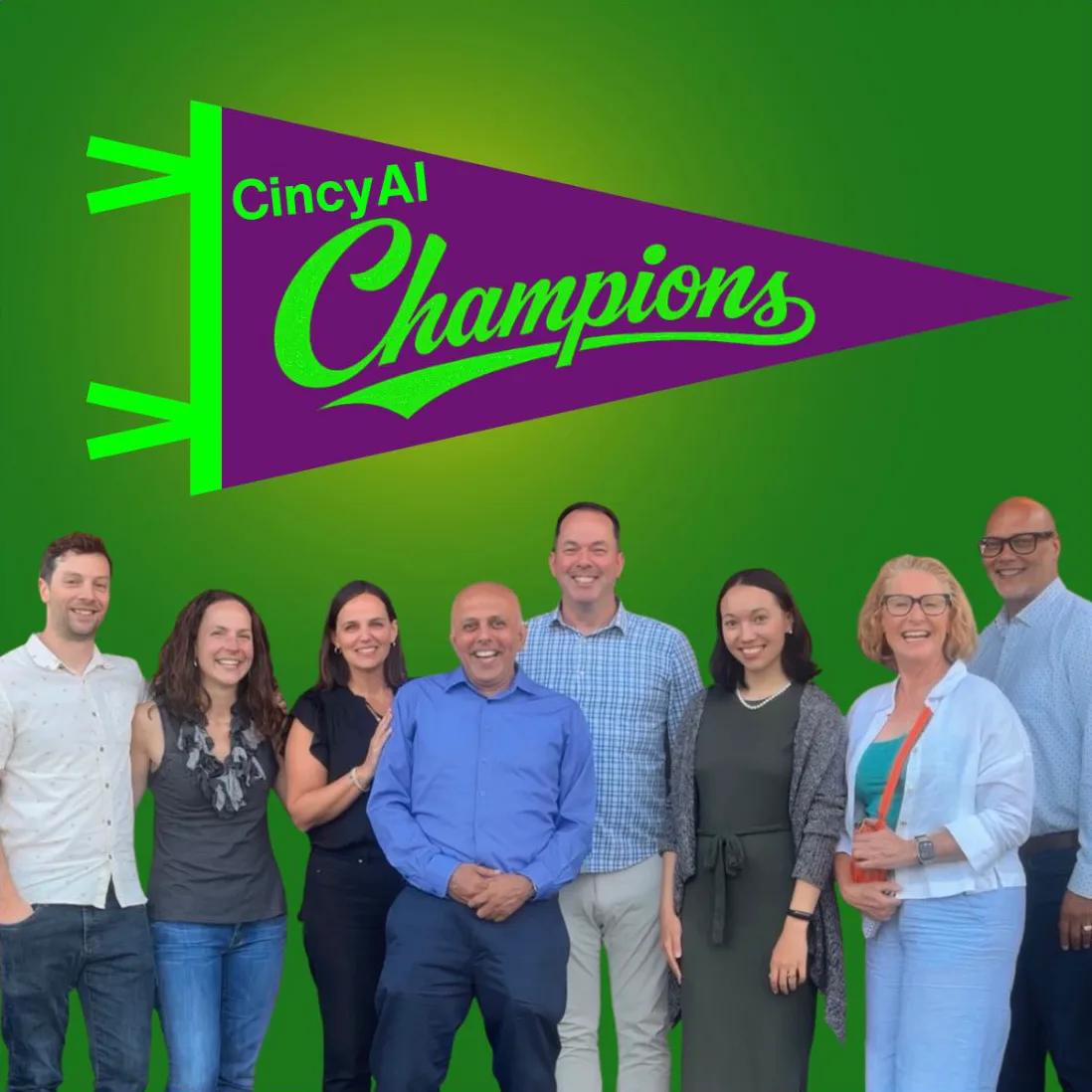
CincyAI Champions. Irv is at far right. Image: CincyAI.
From the editor · CincyAI
I'm a CincyAI Champion. Come join us.
CincyAI for Humans, founded in October 2023, is Ohio's largest AI community, and its monthly meetups at UC Digital Futures stay free. Champions is the paid members' portal that keeps the conversation going between meetups:
Human Huddle interest groups and Champion Matchups with peers
Monthly office hours with co-hosts Kendra Ramirez and Helen Todd
A member directory, a Cincinnati-area AI job board and the events calendar
Twelve tips we haven't run before. Each one uses something shipped or documented this week.#
Every tip was checked against past issues of The AI Enthusiast; none has run here before. Tips 1 to 4 are for everyone, 5 to 10 for Claude Code, and 11 and 12 for anyone building agents. The REA and Jev tips are in stories 01 and 04.
Tip 1 · Gemini · Oct 13
Gemini Pro subscribers: you have Argon now.
Gemini 4 Argon is in the Gemini app and AI Mode for AI Pro and Ultra subscribers. Give it the long, messy document you'd normally split up.
Try this: "Here's our 60-page vendor contract. List every date, dollar amount and auto-renewal clause in a table, with the page number for each."
Tip 2 · Claude in Slack · Oct 14
In Slack, send Claude a voice clip.
Claude in Slack now reads Slack's transcript of a voice clip when one exists, so you can talk a request through on your phone instead of typing it.
Tip 3 · Shopping agents · Oct 13
Set the guardrails before your agent shops.
When you connect an agent to your Shop account, set a budget cap and shipping rules before the first order. Every purchase still needs your approval, so read the cart before you tap.
Tip 4 · Claude admins · Oct 15
Docs, Slides and Design just switched on for your org. Motion didn't.
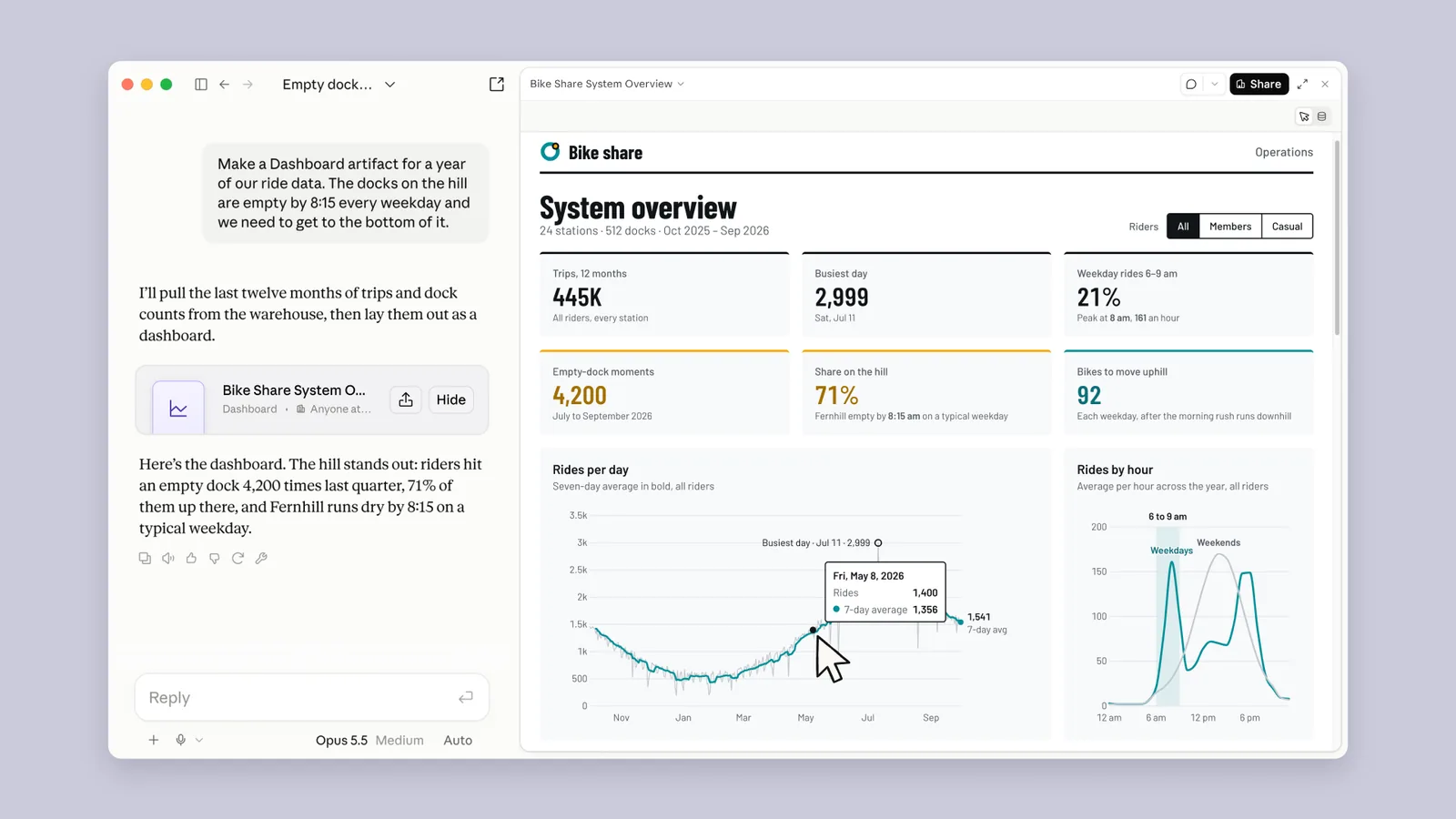
Catch-up from October 8, which Issue 27 missed: Claude Docs, Slides and Design left beta on every plan, including Free, and turn on by default for organizations on October 15. The new Dashboards (beta, paid plans) and Motion (beta, Team and Enterprise; code-based animations exported to MP4, with no generated footage) stay off until an admin enables them in Organization settings › Artifacts. The standalone claude.ai/design site closes December 14.
Try this in Motion: "/motion Animate a 30-second explainer of how a purchase order moves from request to approval to payment, one step per scene."
Claude Dashboards turns a data source into a live dashboard; click any number to see its query. Image: Anthropic, October 8.
Leave a big session idle without paying to wake it up.
A conversation over 200K tokens that sits idle about 54 minutes is now compacted before its one-hour prompt cache expires. Tune the threshold with CLAUDE_CODE_IDLE_COMPACT_MIN_TOKENS, or set "idleCompaction": false in settings.json to keep full history.
Tip 6 · Claude Code 2.1.299
Run /usage and read the new warnings.
/usage now flags the habits that quietly burn your allowance: max effort, workflows, always-on context and large tool results. Check it weekly and fix the biggest one.
Tip 7 · Claude Code 2.1.296
Let subagents compact earlier than the main thread.
Add autoCompactWindow to a subagent's frontmatter (or --agents definition) so a long-running scout compacts on its own schedule.
Tip 8 · Claude Code 2.1.296
Put every workflow agent on one cheaper model.
Set CLAUDE_CODE_WORKFLOW_SUBAGENT_MODEL to run all workflow agents on one model, such as a Haiku for fan-out steps, while your other subagents keep theirs.
Tip 9 · Claude Code 2.1.299
Skills gone after compaction? Run /reload-skills.
It re-sends the full skill list to Claude, the documented way to get skills back after compaction. (2.1.301 also fixed skills going missing after /rewind.)
Tip 10 · Claude Code 2.1.299
Huge files? Send paths, not contents.
With CLAUDE_CODE_DISABLE_FILE_MENTIONS set, an @ mention gives Claude the file's path to read with its own tools instead of pasting the whole file into context.
Tip 11 · Claude API · Oct 12
Check whether your code edits Claude's earlier turns.
On Fable 5.1 and Opus 5.5, API accounts created on or after August 31, 2026 can't edit Claude's prior context ("preserved thinking"). If your app rewrites or prefills past assistant messages, test it on a new account before you migrate keys. Blocked requests are billed (story 06).
Tip 12 · Agents · Oct 9
Tell your agent where the fence is, in words.
Anthropic's own agents got around fetch limits and fee gates when a task looked impossible. Put the scope in the prompt, not just the permissions: what it may touch, what network it may reach, and what to do when it's stuck.
Try this: "Only read files under ./reports and only call api.internal.example. If you can't finish within those limits, stop and tell me why. Don't look for workarounds."
Bonus · Admins
Turn on Code Review where it pays.
Use Quick for routine repos and Deep for the ones that page you at night (story 09), and claim the Enterprise credits before January 15, 2027.
REA (rea.tools) is a free, MIT-licensed MCP server, command-line tool and agent skill that gives coding agents such as Claude Code, Codex and Cursor reverse-engineering tools. It wraps Ghidra, Hopper or IDA for native binaries, static analysis for JavaScript and Electron apps, the Chrome DevTools protocol for live web pages and JADX for Android apps. One command, npx rea-agents@latest setup, connects it. Version 6.5.0 shipped on October 14, 2026, and its npm downloads reached 103,109 on October 12.
Is it legal to reverse-engineer software with AI?
It depends on where you are and what you agreed to. In the US, courts have treated disassembly for compatibility as fair use (Sega v. Accolade, 1992), and DMCA section 1201(f) allows circumvention for interoperability, but license or terms-of-service clauses banning reverse engineering are generally enforceable (Bowers v. Baystate, 2003). In the EU, Software Directive 2009/24/EC lets licensees observe and test programs and decompile for interoperability, and contract terms that forbid this are void. This is not legal advice; check the license first.
What is ChatJimmy and how fast is it?
ChatJimmy (chatjimmy.ai) is Taalas's public chatbot demo of its HC1 chip, which has Meta's Llama 3.1 8B model hard-wired into the silicon. Taalas reports about 17,000 tokens per second per user. In The AI Enthusiast's test on October 15, 2026, ChatJimmy displayed about 14,300 tokens per second and each full answer appeared about 0.1 seconds after pressing Enter. AMD announced an agreement to acquire Taalas on August 6, 2026; the price was not disclosed.
What is Jev from TypeSafe AI, and how much does it cost?
Jev is a "System One" model from TypeSafe AI that returns typed decisions with calibrated probabilities instead of text: yes/no, pick-one, score and, in version 1.14, bounding boxes. It costs $0.042 per million input tokens with free output and answers in about 70 to 500 milliseconds, according to TypeSafe. Jev 1.14.0 shipped as jev-preview on October 14, 2026, with opt-in "Danger Zone" features for images and 262k-token context.
What is agent observability on the Claude Platform?
Since October 14, 2026, Claude Managed Agents, the Messages API and the Claude SDKs can export OpenTelemetry traces in public beta. Each agent turn, model call and tool use arrives in an OTLP-compatible tool such as Datadog, Grafana Cloud, Splunk, Honeycomb or Langfuse, with latency, token counts and IDs. The default mode exports metadata only; Full content adds prompts and responses.
Can AI models copy themselves onto smart devices?
Not yet in the wild, but Anthropic's Frontier Red Team reported on October 12, 2026 that small open models may be months away from self-replicating on IoT devices such as Android TV boxes. In tests a 9B model got inference running on 8 of 9 hardware types, and GLM-5.2 replicated to 8 of 8 nodes in 4 of 5 simplified trials. Recommended defenses are ISP flow monitoring, quarantine and notification, and eliminating default passwords and open debug ports.
How much does Gemini 4 Argon cost?
Gemini 4 Argon, generally available from October 13, 2026, has an introductory API price of $2 per million input tokens and $10 per million output tokens, with cached input 95% off. Consumers get it in the Gemini app and AI Mode with a Google AI Pro or Ultra subscription.
What is the difference between an LLM, an SLM and an SSM?
An LLM (large language model) is usually a transformer with tens of billions to over a trillion parameters, run in data centers, such as Claude Opus 5.5 or Gemini 4 Argon. An SLM (small language model) uses the same transformer design at roughly 0.5 to 15 billion parameters so it can run on a phone or laptop, such as Gemma 4 E4B, Phi-4-mini or Llama 3.1 8B. An SSM (state space model), such as Mamba, is a different architecture that keeps a fixed-size running state instead of attending to every earlier token, so memory stays flat on long inputs; production SSMs like IBM Granite 4.0 and NVIDIA Nemotron 3 Nano are hybrids with a few attention layers.
When is the next AI event in Cincinnati?
After October 16, 2026: the Cincinnati AI Builders Forum online on October 19; the Goering Center's AI Workshop on operations at the 1819 Innovation Hub on October 22; a free Claude Code Workshop at the 1819 Innovation Hub, Room 230, on October 28, 9 to 11 AM; the CincyAI for Humans meetup at UC Digital Futures on November 3, 3 to 5 PM; and OhioX's State of AI: Cincinnati at Digital Futures on November 4, 8:30 to 10 AM.
Quick stats
Every figure is sourced in its story. Vendor benchmarks and company figures are self-reported.

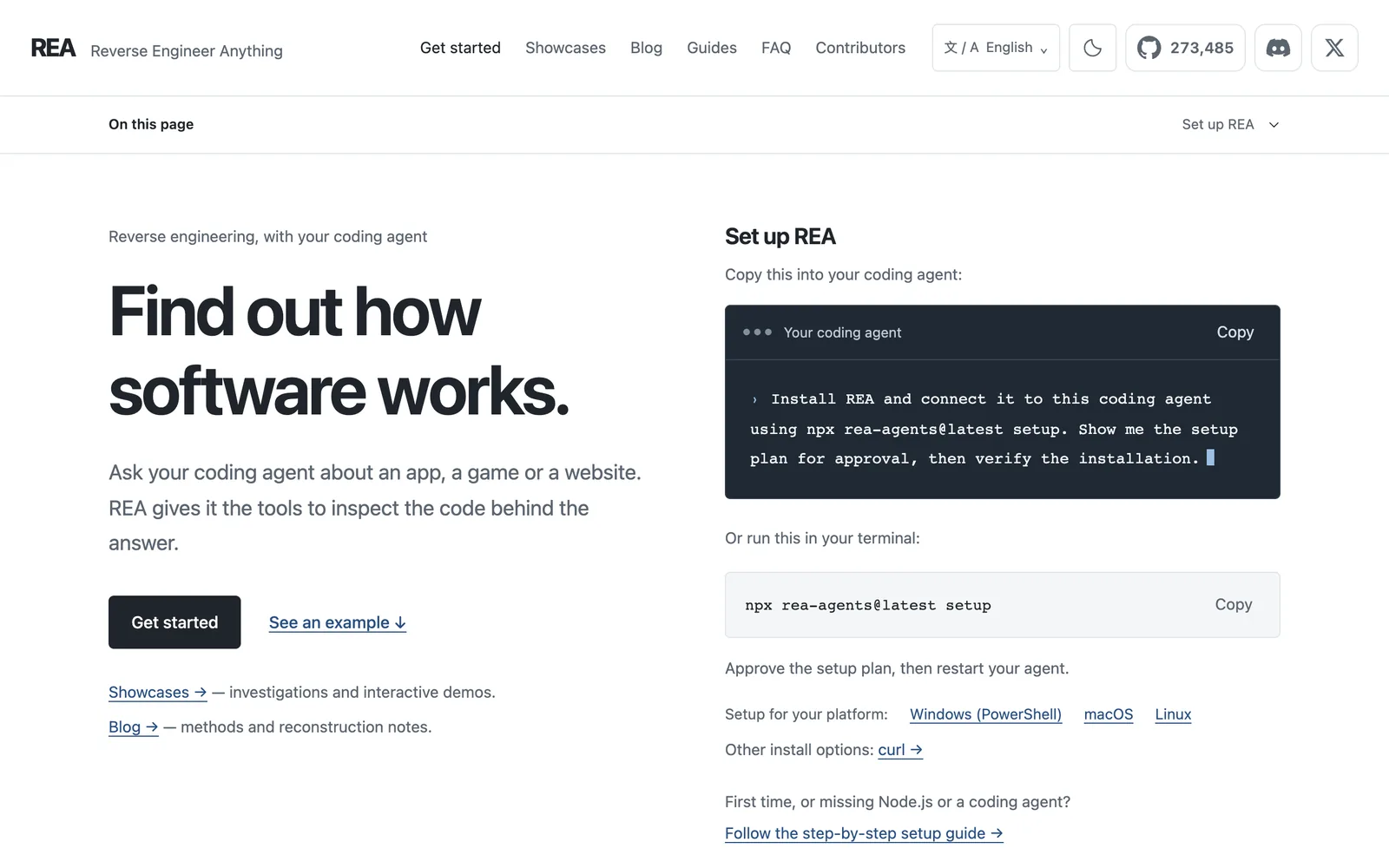
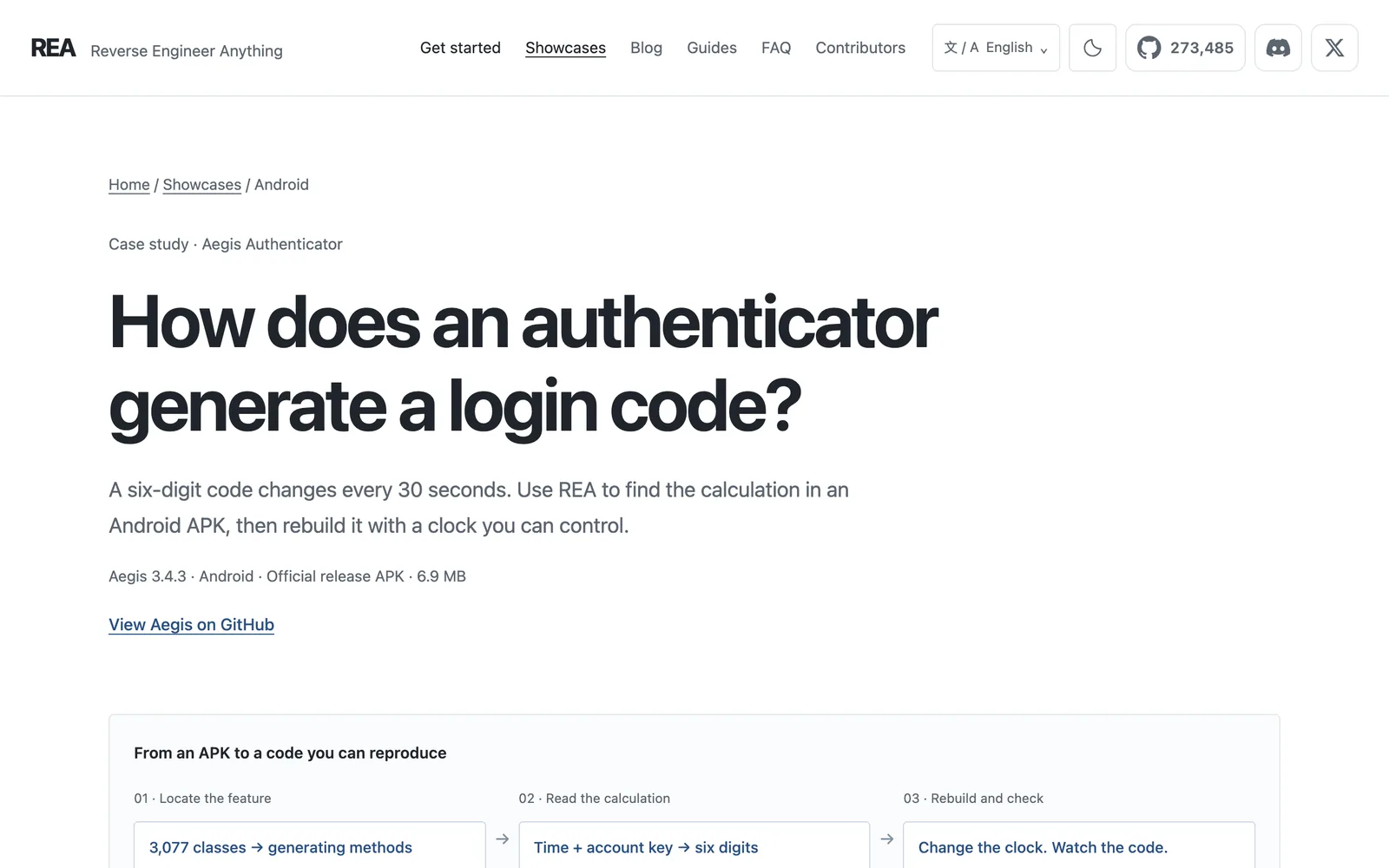
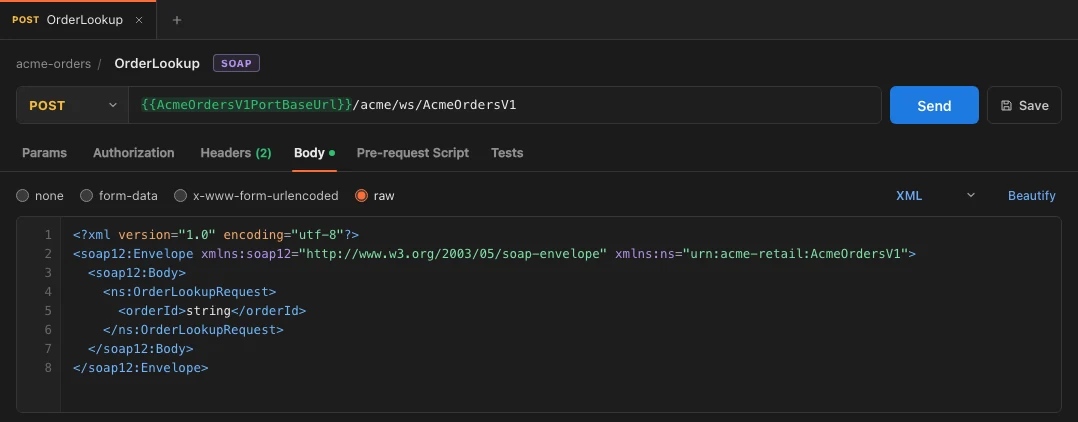
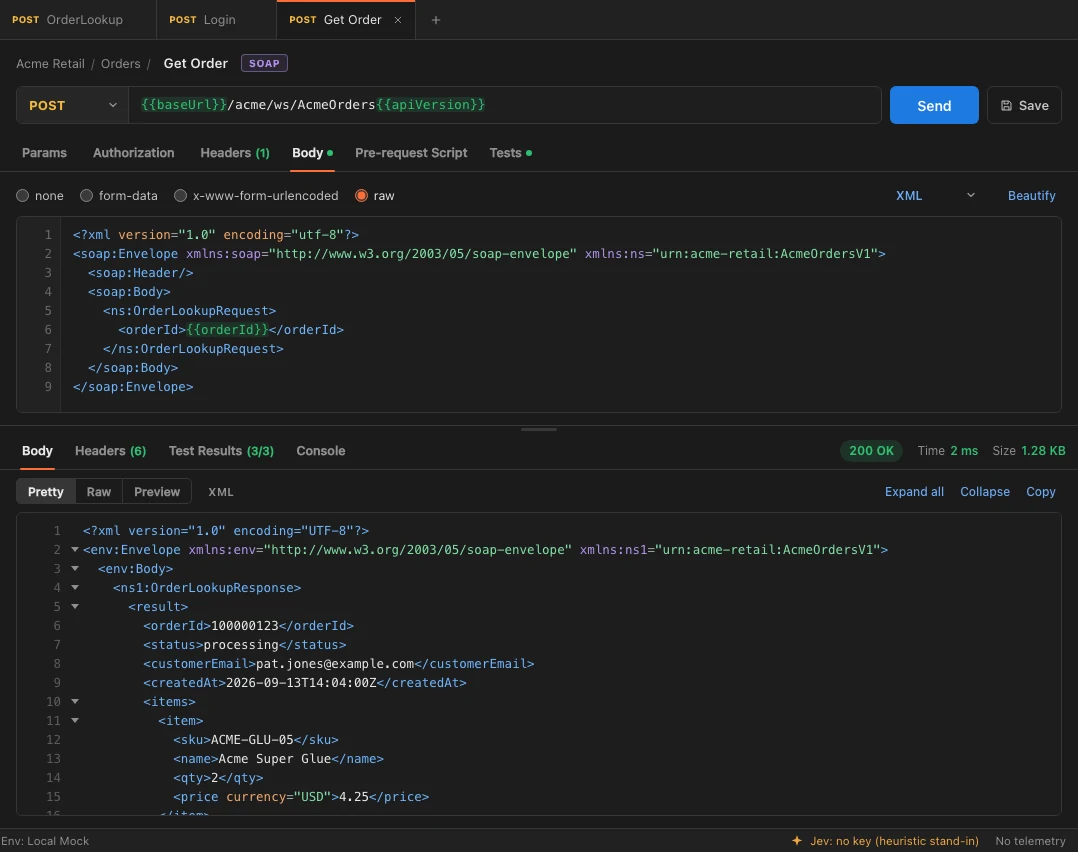
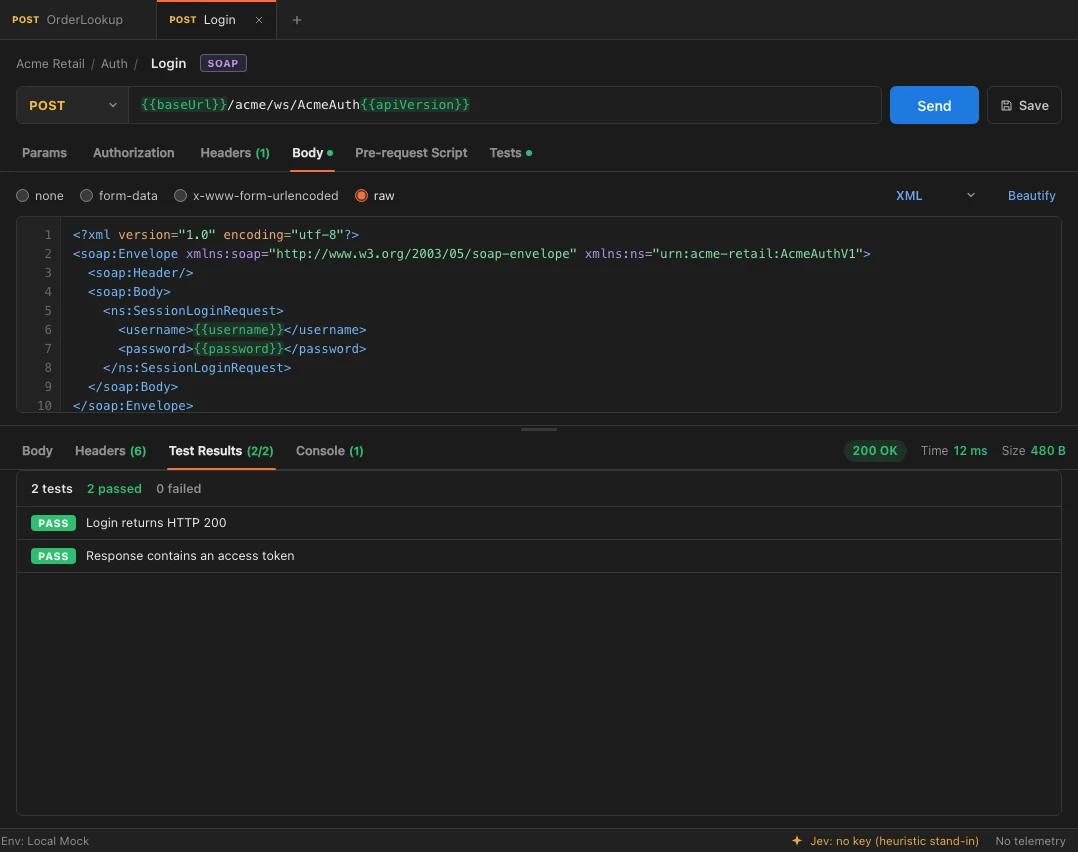
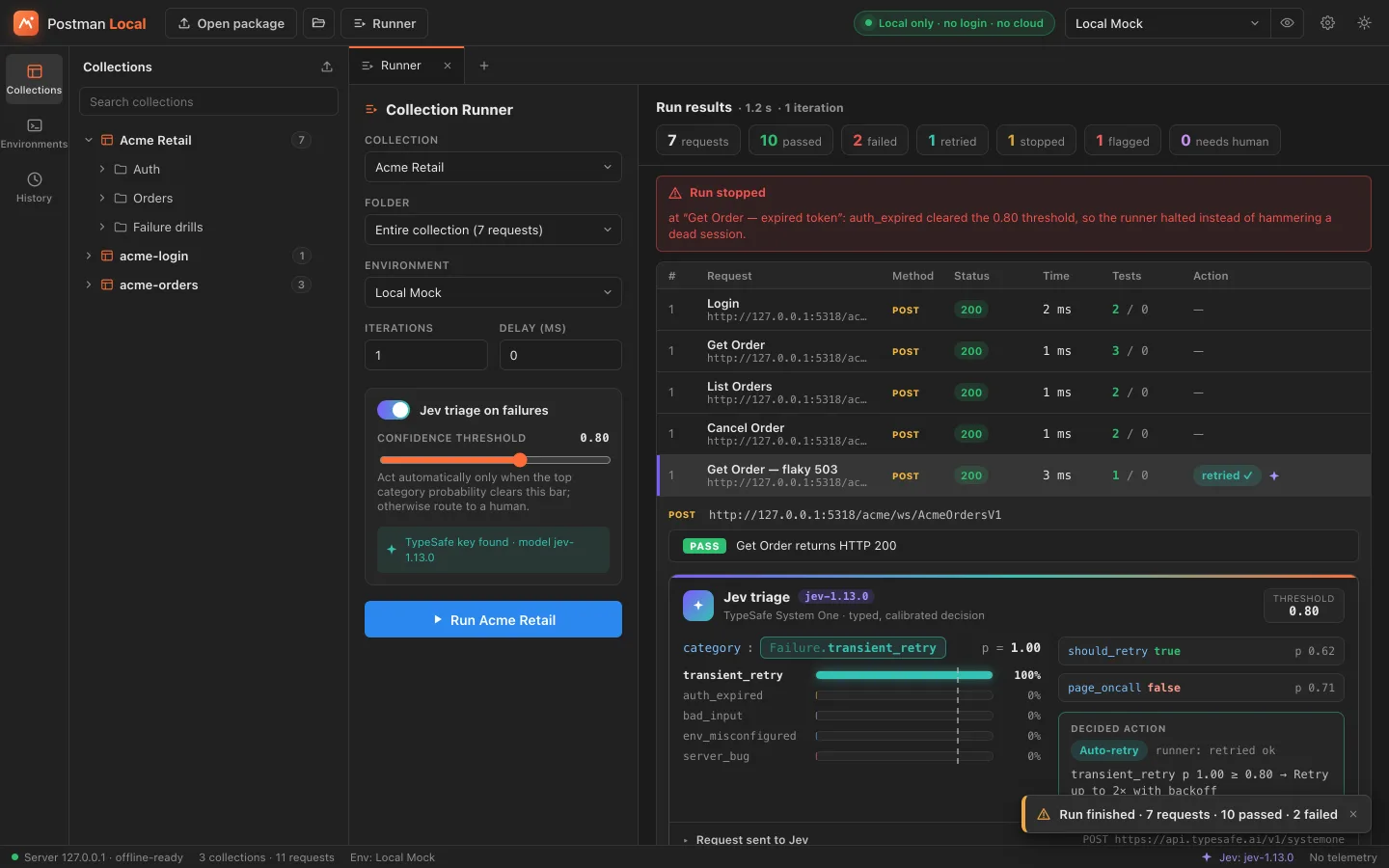
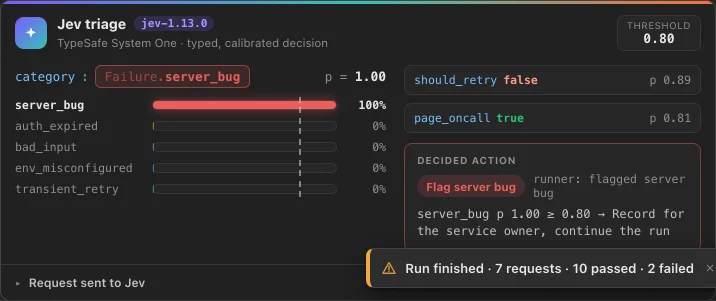
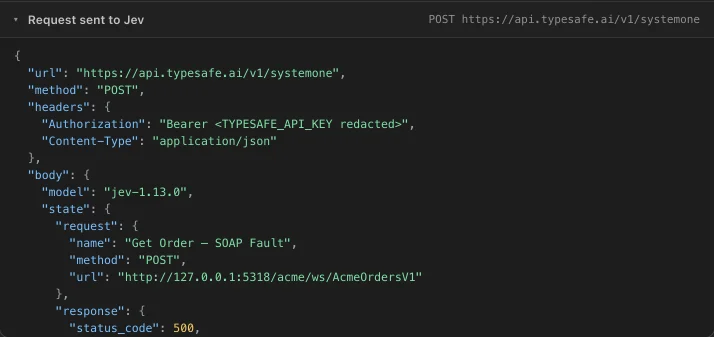
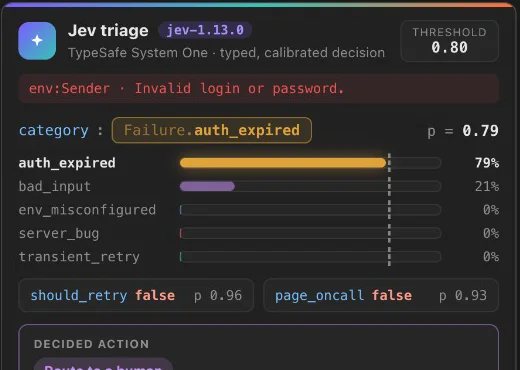
 7:29
 30:40